Pilates for Stress Relief: Techniques to Relax and Unwind

Pilates Stress Relief Guide Publication Date Stress has a way of collecting in the body even before the mind fully catches up. Tight shoulders, shallow breathing, a clenched jaw, a restless mind, and that feeling of never quite settling down can become part of daily life without much warning. Finding relief often means choosing something that does more than distract you for an hour. Real relief usually comes from practices that help the body slow down and give the mind somewhere steady to land. Pilates offers that kind of reset because it asks for presence, not just effort. The method blends breath, control, alignment, and mindful movement in a way that naturally interrupts stress patterns. Instead of pushing through tension, you learn to notice it, work with it, and release it through precise, intentional movement. A session can leave you feeling stronger, but it can also leave you calmer, clearer, and more grounded. Some exercises help unwind the spine and open the chest. Others create a steadier breathing pattern or bring attention back to the center of the body. Over time, those moments of control and calm can help shift how you respond to stress both on and off the mat. How Pilates Eases Stress And Calms Your Nervous System Pilates supports stress management because it brings the body and mind into the same place at the same time. Many forms of stress relief focus mainly on rest or distraction, but Pilates works differently. It asks you to move with purpose, pay attention to alignment, and coordinate each action with breath. That combination makes it difficult for the mind to keep spiraling in the background. Your attention gets redirected into something specific, structured, and steady. Core Pilates principles such as concentration, control, centering, precision, breath, and flow all contribute to that effect. Concentration helps reduce mental clutter by narrowing your focus to the movement you are doing right now. Centering brings awareness back to the core and helps create a sense of stability. Breath helps regulate the nervous system, while flow encourages smoother, less reactive movement. Together, those principles create a form of exercise that feels less like escape and more like recalibration. Pilates does not only build physical strength. It also teaches the nervous system how to shift from tension into steadiness through repeated, mindful practice. Several parts of Pilates make it especially useful for stress relief: Breath plays an especially important role here. Pilates breathing patterns encourage fuller, more deliberate breaths, which can help counter the short, shallow breathing that often comes with stress. As oxygen flow improves and the body starts to move with more control, many people notice they feel less scattered and more present. A session becomes a break from reactivity, giving you a chance to move with intention instead of carrying stress forward unchanged. Pilates Techniques That Calm Your Body And Mind Certain Pilates exercises are especially helpful when the goal is to relax and unwind rather than simply strengthen or challenge the body. Movements that open the spine, mobilize the ribs, release the hips, and coordinate with steady breathing can create a noticeable drop in physical tension. Many people hold stress in the neck, shoulders, lower back, and hips, so exercises that gently target those areas can feel especially restorative. A few Pilates techniques that often support relaxation include: Each of these exercises can be modified depending on mobility, strength, or how much stress the body is carrying that day. Some people need smaller movements and more support. Others benefit from a little more range once they feel safe and warmed up. The value comes from the quality of attention you bring to the exercise, not from how dramatic the shape looks. A calmer body often starts with simpler movement done well. Over time, those simple patterns can become reliable tools you return to whenever stress begins to build. Mental Health Benefits Of Pilates For Stress Relief Pilates offers more than a temporary sense of calm during class. A regular practice can influence how you respond to stress in daily life by building awareness, patience, and a stronger sense of internal control. Many people notice that after practicing consistently, they feel less reactive, more physically grounded, and better able to catch stress signals earlier. A tense day still happens, but the body may not spiral into the same level of tightness and mental overload as quickly. Part of that benefit comes from repetition. Pilates trains you to return your attention to breath, posture, alignment, and movement again and again. That repeated redirection builds a useful habit. Instead of letting the mind race unchecked, you practice bringing it back to something concrete. Physical improvements also play a role. Better posture can reduce strain through the neck and shoulders. Greater mobility can make the body feel less compressed. Improved core strength can create a stronger sense of support through the trunk and spine. Mental stress often feels heavier when the body already feels compressed, tired, or unstable. A body that moves with more ease can change the emotional experience of daily pressure. Pilates helps create that ease by pairing physical conditioning with mindful attention. Some of the mental and emotional benefits people often notice include: A practice like Pilates also creates structure, which can be deeply helpful during overwhelming periods. Showing up for a class or session becomes a way to pause the noise and reconnect with yourself in a more intentional setting. You are not only stretching or strengthening. You are practicing how to slow down, notice more, and respond with greater control. Related: The Role of Pilates in Injury Prevention and Rehab Pilates Routines For A Calmer Body And Mind Pilates can be an effective form of stress relief because it addresses both the physical and mental patterns that stress creates. Breath, concentration, controlled movement, and body awareness all work together to help release tension and create a steadier internal rhythm. Over time, that combination can help you feel less overwhelmed, more connected to your body, and better
How Does Pilates Impact Posture and Overall Health?

Posted On November 14th 2024 Imagine warming up your body, like tuning an instrument, preparing it for a melody of structured movements—each precisely orchestrated to promote harmony and balance within. Pilates extends more than fitness; it reshapes our relationship with our bodies, giving attention to the subtleties of posture and alignment. As you engage in the rhythmic flow of exercises, your body learns to move as a cohesive unit, optimizing its potential beyond mere physical activity. Through deliberate and controlled actions, Pilates encourages a dance between your core strength and muscle flexibility, fostering a state of equilibrium essential for maintaining an upright and healthy posture. This method offers solace from the toll that modern life exacts on our bodies. From hunched shoulders over devices to sedentary hours at a desk, achieving and maintaining proper posture is challenging but crucial in ensuring overall bodily function and health. With a methodology that seeks to strengthen the body’s foundation, Pilates presents an accessible pathway for enhancing your posture and, consequently, your overall well-being. Envision each Pilates session as a mindful practice that not only energizes but educates your muscles to coexist in perfect balance, intent on guiding your spine towards its most efficient state of alignment. Every stretch, every breath serves a purposeful engagement of the muscles, creating a foundation upon which a lifetime of good posture can be built. You become attuned to your physique, learning to discern between functional and non-functional movements. In this exchange of focus and function, the overshadowed muscles—those neglected through common sedentary habits—are invited back into action. The core muscles, akin to a central axis, orchestrate the body’s symmetry as Pilates exercises seek to realign an individual’s center of gravity by anchoring secure, stable movements. This technique strengthens the core, protects the back, and enlivens peripheral muscles, painting a vivid picture of a balanced bodily structure. Throughout this journey, Pilates nurtures not only muscles but the senses, cultivating a keen awareness of body positioning. Such intimacy with one’s own physical state empowers individuals to uphold posture integrity outside the Pilates studio, into everyday movements. As you journey through your Pilates routine, it’s not just strength that’s being cultivated; flexibility emerges gracefully alongside. The meticulous nature of each exercise ensures that muscles aren’t just activated for strength but are encouraged to lengthen, improve fluidity, and gain resilience. These are essential ingredients in the recipe for good posture and confident movement. Through regular practice, your muscles remember these lessons—they become conditioned to support the body with grace and stability. The rigors of daily life, be it a walk in the park or lifting a grocery bag, are performed with a newfound ease, the lessons of Pilates offering support as a reliable foundation. These sessions invite the mind to join the body in the practice, reinforcing a strong connection that holds stress at bay. Being present in each move breathes a refreshing calmness into the hectic pace of life, a moment marked by tranquility and purposeful focus. This holistic approach to movement allows for a balanced routine, rooted in the improvement of both body and mind. You gain not only a lifelong alliance with physical health, but an enhanced state of overall wellness. Pilates Exercises For Effective Posture Correction Through Pilates for posture, practitioners harness the powerful synergy of targeted exercise and mindful movement to achieve effective posture correction. This method deliberately concentrates on fortifying and lengthening the specific muscles that uphold spinal alignment. Pilates, with its foundation rooted in core strength, offers you an exceptional framework to cultivate optimal posture. As you delve into these controlled routines, each movement meticulously activates the core and back muscles, which are integral to maintaining spinal health. The sustained engagement of these muscles rescues them from underutilization, a notorious cause of postural imbalances. Pilates not only enhances muscular strength but also enriches flexibility, allowing those muscles around the spine to support it adequately without imposing undue pressure. Strengthening and lengthening these muscle groups are pivotal aspects of correcting posture with Pilates. Regular practice orders an intricate dance in which the spine is encouraged towards its natural curvature, eschewing undesired slouching or overarched tendencies. This neuromuscular engagement gradually rectifies deviations such as kyphosis or lordosis, prevalent postural abnormalities that can impair daily movement and overall spinal health. Moreover, by ingraining a heightened awareness of posture during static or dynamic states, Pilates empowers you with the skills needed to uphold correct alignment beyond exercise sessions. Incorporating Pilates into a consistent routine effectively keeps posture correction on the front line of your mind. As these exercises are seamlessly integrated into your life, they begin to promote habitual bodily awareness and education in maintaining ideal postural form throughout everyday tasks, such as sitting, walking, or even engaging in other physical activities. For individuals plagued by the rigors of sedentary office work, correcting their posture with Pilates is an enlightened choice. As you navigate through each routine, every targeted maneuver acts as a potent antidote against the unhealthy patterns enforced by prolonged desk-bound hours. Pilates, by virtue of its precise and deliberate practice, hones your body’s physical capacity and tunes your proprioception—the enhanced sense of body position in space. In consequence, you will find yourself adjusting unconsciously to maintain posture, thus preventing or alleviating chronic discomforts related to misalignment. Moreover, people with varied fitness backgrounds, from newcomers to regular athletes, can appreciate the inclusivity of Pilates as it caters to different postural challenges, providing effective layers of modification and intensity tailored to personal needs and fitness levels. The expedition to improve posture isn’t rushed but achieved meticulously through persistence and practice. You will notice profound improvements in your posture as your body subconsciously adopts the principles mirrored in Pilates routines, manifesting in a more poised, aligned stance in your day-to-day life. Besides tangible impacts on posture correction, Pilates excels as an instrument for enhancing overall spinal health, integrating balanced muscle actions and precise movements that facilitate the prevention of injury and degeneration. By routinely engaging in Pilates
The Role of Pilates in Injury Prevention and Rehab

Pilates Injury Prevention Insights From February 2026 Injury prevention is rarely about one big fix. It’s usually the result of small habits repeated over time, like how you stand, how you breathe during effort, and how well your body manages load when you’re tired, rushed, or pushing for progress. Pilates helps you tighten those habits by improving control, balance, and alignment through movement you can actually feel. Over time, that kind of training can lower strain on joints and reduce the chance that the same aches keep showing up again. Why Pilates Injury Prevention Training Works So Well A lot of injuries don’t start with a single dramatic moment. They build quietly through repeated strain, uneven movement patterns, limited mobility in one area, and extra compensation in another. Over time, the body starts to rely on shortcuts. Your shoulders creep up during work, your hips stop sharing the load during training, and your lower back begins doing the job your glutes and deep core should be doing. Pilates for injury prevention works because it targets those shortcuts directly, then replaces them with cleaner, more efficient movement. One reason Pilates for wellness is such a steady fit for injury risk reduction is its focus on coordination between the ribs, pelvis, spine, and shoulder girdle. Many people are strong in a “big muscle” way, but still lack the deep support that keeps joints aligned during movement. Pilates trains the system, not just a muscle group. That supports endurance, because you move with less wasted effort and fewer compensations. Here are common ways Pilates supports effective injury prevention with Pilates in real life: Those points matter most when they show up outside the studio. Pilates is not only about doing a perfect rep. It’s about carrying the same control into your workouts, your sport, and your day. When those mechanics improve, many people notice fewer flare-ups, less tightness that “always comes back,” and better tolerance for training volume. That’s a big part of Pilates for reducing injury risk, especially if you’ve dealt with repeated issues. How Better Movement Patterns Lower Injury Risk If you keep getting the same pain, it’s rarely random. Recurring problems often point to a predictable pattern, like limited hip rotation forcing the knee to twist, or weak shoulder stability leading the neck to overwork. Pilates helps connect the dots. It trains mindful movement so you can feel what’s happening, then it builds skills to change it. A big part of injury risk comes from the gap between what you can do when you’re focused and what your body does automatically when you’re tired or distracted. Pilates closes that gap by reinforcing better defaults. You learn how to stack your ribs over your pelvis, how to load your hips instead of collapsing into your lower back, and how to keep your shoulder blades stable while your arms move freely. This matters for athletes, but it’s just as important for people who sit for long hours, stand on hard floors at work, or carry kids and groceries daily. Poor movement patterns don’t care if you’re training for a marathon or working at a desk. Over time, the body will protest if the same joint takes on too much work. Pilates is also a strong choice for people who feel “tight” all the time. Tightness is often a stability issue in disguise. The body locks down when it doesn’t trust the joint control. Pilates builds stability without brute force, which can help reduce that constant gripping sensation that shows up in hips, hamstrings, lower back, or upper traps. Pilates Training Benefits For Athletic Strength Gains Athletes often feel strong and still get hurt. That’s not a contradiction. Many sports create strength in certain directions while leaving gaps in rotation, deceleration, spinal control, and joint alignment under fatigue. That’s why Pilates benefits for athletes are often most noticeable in the areas training programs miss. Here are ways athletes often use Pilates for athletic performance enhancement while supporting injury prevention: After a few weeks of consistent work, many athletes notice a different kind of fatigue. It’s not the “burn” from lifting heavy. It’s a deep challenge that makes movement feel cleaner. That’s often a sign that stabilizers are waking up, and that the body is starting to distribute load more evenly. Using Pilates In Injury Rehab As A Safe Return Path Rehab can feel like a confusing middle ground. You’re not ready to go full speed, but you don’t want to lose all your progress either. Pilates and injury rehab fits well in that space because it can be scaled carefully. The goal is to restore control, rebuild tolerance, and improve how your body manages load, without pushing you into pain spikes that set you back. One of the most frustrating parts of injury recovery is returning too soon with the same patterns that caused the issue. That’s where Pilates becomes powerful. It can retrain the habits that led to overload, such as poor trunk control, limited hip motion, or shoulder instability. It also helps you rebuild confidence in movement. When you trust your body again, you stop bracing and moving cautiously, which can reduce compensation. Pilates can also support people dealing with post-injury stiffness. After time off, the body often loses range and coordination. Pilates helps rebuild those pieces in a way that respects healing timelines. The work focuses on quality first, then gradually builds strength and endurance as your tolerance improves. Related: Pilates Nutrition Tips To Support Strength And Mobility What To Remember About Pilates Injury Prevention Injury prevention is built in the small decisions your body makes every day, from how you breathe during effort to how well you control movement when fatigue sets in. Pilates supports those details by building strength, endurance, and control in a way that transfers into real life and athletic performance. When your movement patterns improve, you reduce the strain that leads to recurring pain and gain a stronger base for progress, rehab, and long-term wellness. At Better Posture Pilates formerly Sana Vita Studio, we help clients use Pilates for injury prevention through focused private and duet sessions that match your goals, your history, and
Pilates Nutrition Tips To Support Strength And Mobility

Posted on January 12th, 2026 Pilates is the kind of workout that rewards consistency. The more regularly you show up, the more you notice better control, smoother movement, and stronger posture in everyday life. Nutrition can play the same supporting role. When you eat in a way that supports energy, recovery, and focus, your sessions feel more stable and your progress tends to stick. Two extra adjustments, like smarter timing around classes and more balanced meals, can make your practice feel less like a push and more like a flow. Pilates Nutrition Tips To Maintain Steady Class Energy The most useful Pilates nutrition tips are the ones that help you show up with steady energy and leave class feeling strong, not depleted. Pilates may look gentle from the outside, but it asks for focus, control, breath coordination, and stamina. If your meal timing is off, you might feel lightheaded, distracted, or sluggish, which can turn a great class into a frustrating one. Hydration matters too, even for low-impact training. If you’re mildly dehydrated, your muscles can fatigue faster, and your perceived effort rises. That can make simple sequences feel harder than they should. Water throughout the day tends to work better than chugging right before class. Here’s a practical way to apply Pilates nutrition tips based on timing: After a list like this, the biggest takeaway is consistency. When you regularly fuel in a similar rhythm, your body stops guessing. You’re more likely to feel alert in class and less likely to experience energy dips halfway through a session. That steady feeling is what helps you work on control and form instead of fighting fatigue. Nutrition For Pilates Recovery And Reduced Muscle Soreness The most practical Nutritional advice for Pilates focuses on recovery, because recovery is what allows you to come back stronger. Pilates challenges muscles through controlled resistance and long holds, especially in the core, hips, glutes, and upper back. Even if you’re not drenched in sweat, your body still needs repair and replenishment after a strong session. Micronutrients matter as well. Produce, nuts, seeds, legumes, and whole grains support the body’s daily function and can help you feel more consistent in training. Instead of focusing on a perfect diet, aim for a pattern that supports your movement goals. To keep it simple, these are some Nutritional advice for Pilates habits that support recovery and class-to-class consistency: After these habits settle in, you may notice your practice feels more dependable. You’ll often feel less stiff, less drained, and more ready to focus on progress instead of just surviving the workout. That’s the real goal: making your classes feel like a building process, not a constant restart. Pilates Diet Strategies To Build Sustainable Strength If your goal is strength, stability, and better posture, Pilates diet tips can support that by keeping your intake steady and your recovery consistent. Many people try to “clean up” their diet by cutting too much too quickly. That can backfire, especially if your training load increases. Strength improves when your body has the resources to adapt. Here are some Best nutritional tips for Pilates practitioners that support strength and steady progress: After a list like this, the main idea is sustainability. Pilates works best when you practice consistently, and nutrition works best when it’s realistic. A pattern you can stick with tends to beat a “perfect” plan that lasts two weeks. When your eating habits support your training week after week, you build strength in a way that feels stable and enjoyable. Simple Nutrition Tweaks To Improve Pilates Performance Performance in Pilates isn’t just about power. It’s about control, breath, stability, alignment, and the ability to stay present in each movement. Nutritional strategies to enhance Pilates performance focus on supporting that kind of work: steady energy, good concentration, and less mid-class fatigue. Here are Effective nutrition guidelines for Pilates practitioners that help support class performance: After these guidelines, the biggest benefit is predictability. Your body likes routines. When you feed it consistently, you’re more likely to feel strong and steady during planks, bridges, roll-ups, and balance work. That steadiness helps you progress faster because you can focus on form and control. Related: Is Pilates the Key to Better Posture? Myth or Fact? Action Steps To Fuel Your Pilates Strength And Mobility Nutrition and Pilates work best as partners. When you fuel with steady meals, prioritise protein for recovery, and time food in a way that supports comfort and energy, your sessions feel smoother and your progress becomes more consistent. Small habits like hydration, balanced post-class meals, and simple pre-class snacks can improve focus, reduce fatigue, and help your body recover so you can keep showing up stronger each week. At Better Posture Pilates formerly Sana Vita Studio, we help clients build strength, control, and confidence through classes that support real-life movement goals. Get the most out of every move with our Pilates Classes built around your goals. If you’re ready to build a more consistent routine and want support choosing the right class, call (773) 386 8831 and let’s set you up with Pilates training that matches your goals and keeps you feeling stronger from session to session.
Exercising with Knee or Hip Pain

Are you someone who is dealing with knee and hip pain? Most people will, at some point, have knee or hip pain because these large joints have a demanding task: they bear the full weight of your body while at the same time allowing for a wide range of motion. Strong muscles around a damaged knee or hip can help support a joint by taking over some of its responsibilities. For example, your hips will have a much easier time supporting your body weight if your quadriceps, gluteals, hamstrings, and abdominal muscles are well balanced and strong. When your quadriceps (front of thigh)and hamstrings (back of thigh) are strong and balanced, they can take over much of the shock-absorbing role so that the meniscus or cartilage in the knee is not stressed as much. The proper balance of good alignment and strength in these muscles can hold the joint in the least painful position. With any knee or hip problem, the first muscles to lose strength tend to be the largest muscles—the quadriceps and gluteals—so an exercise plan for any injury should definitely focus on them. Muscles work in pairs: one contracts while the opposing one relaxes. For example, when you straighten your knee, your quadriceps on the front of your thigh contract, and the hamstrings on the back relax. Imbalances in the function of paired muscles can cause joint problems and result in injury. If your hamstrings are tight, your quadriceps can’t contract fully and may result in weakness, so exercise the quadriceps and hamstrings (opposing muscles) equally. This is why exercising in good alignment and control is so important. If you have knee or hip problems, choose your exercise carefully. Running or fast walking on hard sidewalks or pavement creates stress on joints. If you love these activities, try doing them on a track or treadmill and wear well-cushioned shoes to lessen the impact. Better still, consider classes or private lessons with us! Checkout our special offers. Visit our website: betterposturepilates.com to purchase and schedule classes
Is Pilates the Key to Better Posture? Myth or Fact?

Posted on December 10th, 2025 As you consider paths to enhance your overall postural health, the role of Pilates often emerges as a point of intrigue. It presents a compelling possibility, especially for those who manage the complexities of modern lifestyles. Rather than a vague ideology, Pilates posits itself as a methodical approach, bringing clarity to how posture improvements manifest through its structured exercises. Pilates Core Principles Behind Better Posture Pilates began as a system to rebuild strength and mobility, later evolving into a practice embraced by people seeking balance and better posture. Its foundation rests on six guiding principles: concentration, control, centering, flow, precision, and breathing. Together, they create a method that promotes both physical and mental alignment. When applied consistently, Pilates strengthens the deep stabilizing muscles that support the spine and help maintain an upright position. Here’s how these key Pilates principles contribute to posture and movement quality: Each principle serves a purpose in teaching the body efficiency and strength. When integrated, they create a practice that improves posture naturally. Instead of forcing alignment, Pilates trains your body to maintain it through muscle balance and awareness. Pilates Myths About Posture You Should Ignore Myths about Pilates often limit people from experiencing its benefits. Some assume it’s only for dancers or those already flexible. In reality, Pilates adapts to all body types and skill levels. Its core philosophy revolves around gradual progress, not perfection. One frequent misconception is that Pilates is only about mat exercises. While mat routines are popular, the practice also uses equipment like the Reformer, Cadillac, and Wunda Chair. These tools introduce resistance and support, helping individuals of all abilities train with precision. They assist in: Each apparatus enhances your body awareness while developing the muscles that maintain upright posture. By alternating between mat and equipment sessions, you create a full-body workout that strengthens and lengthens muscles simultaneously. How Pilates Improves Posture And Functional Fitness Scientific studies have confirmed the effectiveness of Pilates in improving posture and balance. Regular practice trains both the deep stabilizing muscles (local system) and the larger movement muscles (global system). The interaction between these two systems keeps the spine supported and allows for efficient motion without strain. Pilates enhances this connection through deliberate control and mindfulness. When you move slowly and purposefully, your body learns to identify and correct imbalances automatically. For example, awareness of your spine’s neutral position during exercises translates into better sitting and standing habits throughout the day. Key ways Pilates enhances posture and overall fitness include: These benefits extend beyond posture correction. Pilates improves neuromuscular coordination, helping you move with greater precision and confidence. This awareness reduces the risk of repetitive strain or fatigue-related discomfort. Whether you work at a desk or participate in athletic activities, maintaining spinal alignment allows your body to function more efficiently. Health Benefits Of Pilates Beyond Better Posture Pilates does far more than strengthen muscles—it supports mental and emotional balance too. This dual benefit is one reason many people find it sustainable over the long term. The movements combine stretching, strengthening, and breathwork, making it a form of active mindfulness that rejuvenates both body and mind. Physically, Pilates enhances flexibility and circulation, which can help reduce common discomforts linked to sitting or repetitive work. It also increases mobility in the spine, shoulders, and hips, areas often affected by modern lifestyle habits. The result is a body that moves freely without pain or stiffness. Here’s how Pilates contributes to better health and well-being: These interconnected benefits make Pilates suitable for managing daily fatigue and tension. As you continue practicing, you may notice improved mood, sharper concentration, and more restful sleep. The rhythmic breathing techniques practiced in Pilates also stimulate relaxation, making it easier to manage life’s daily challenges. Pilates Habits That Support Long Term Posture Change Developing long-term postural improvement through Pilates requires consistency and thoughtful integration into your daily life. Building a sustainable practice doesn’t happen overnight—it grows with repetition, patience, and focus. Start by establishing a schedule that fits your routine. Committing to two or three sessions a week helps the body adapt to new movement patterns and reinforces muscle memory. Consistency is the key to maintaining progress over time. Here are simple ways to integrate Pilates principles into daily living: These small adjustments can have a big impact. When applied consistently, they extend the benefits of Pilates beyond the studio, turning everyday moments into opportunities for alignment and strength. Related: Mind-Body Connection: Pilates for Physical Therapy Key Takeaways On Pilates And Lasting Posture Gains Committing to Pilates is more than pursuing fitness—it’s about cultivating strength, awareness, and control in how you move. Over time, it reshapes not just your posture but your overall sense of balance and energy. Every movement teaches you something about coordination, breathing, and the importance of mindful engagement with your body. At Better Posture Pilates, formerly Sana Vita Studio, we help you strengthen your foundation through mindful movement. If you’re looking to improve posture, build strength, or move with more confidence, we’re here to guide you. Check out our class offerings and start your Pilates journey today. For more information or to book a session, contact us at (773) 386 8831. Begin your path toward balanced alignment and lasting well-being with a practice that supports you from the inside out.
Mind-Body Connection: Pilates for Physical Therapy

Posted on November 10th, 2025 In the midst of busy Chicago life, Pilates emerges as a center of strength-building and renewed vitality, artfully blending the science of movement with the nurturing of mindfulness. If you’re pondering the complex dance between body and soul, the narrative of Pilates could be your next chapter. This practice isn’t just a series of exercises; it’s a whole experience intricately linked to the innate power of your body’s core, a foundation that serves both stability and freedom. Pilates Science Behind Faster Injury Recovery Pilates demonstrates a strong ability to aid in recovery through precise, evidence-based movement. Its foundation lies in strengthening the body’s core—the abdomen, lower back, and pelvic muscles—creating a stable center for all physical activity. These areas act as the body’s powerhouse, promoting balance and efficient motion. Training the core enhances posture and alignment, reducing unnecessary strain on joints and muscles and supporting rehabilitation after injuries. By emphasizing correct biomechanics, such as optimal joint movement and controlled muscle activation, Pilates conditions the body to move efficiently and safely. This thoughtful approach strengthens the body from within, helping restore and maintain mobility while reducing the risk of future injury. Here’s how the principles behind Pilates support physical healing: Together, these aspects make Pilates not just exercise but a restorative therapy that improves how the body functions, heals, and prevents future setbacks. Through mindful practice, the connection between control and strength becomes the bridge toward long-term recovery and physical confidence. How Pilates Supports Your Physical Therapy Plan Integrating Pilates into physical therapy combines traditional rehabilitation techniques with mindful, structured movement. It begins with a detailed assessment to identify your body’s current condition, areas of weakness, and limitations. This evaluation helps craft a tailored program that complements your existing treatment. The implantation process emphasizes balance, flexibility, and postural awareness—critical elements in rebuilding physical function. These methods highlight the value of a collaborative recovery plan: Each of these elements works toward a steady, well-rounded recovery. Pilates’s adaptability means that patients in varying stages of rehabilitation can participate fully, gaining confidence and mobility with each session. Pilates Core Work For Safer Rehabilitation Core strength and flexibility are the heart of Pilates-based rehabilitation. Strengthening the muscles around the spine, hips, and abdomen creates stability that supports nearly every movement. Flexibility complements this by allowing joints to move freely, improving posture and functional range. Together, they form the backbone of any injury recovery program. Let’s look at how building core strength and flexibility aids rehabilitation: Each improvement reinforces the next, creating a positive feedback loop that encourages sustainable healing. With practice, the body not only regains movement but also learns to move with greater awareness and efficiency. Steps To Design Your Pilates Rehab Program A Pilates-based rehabilitation program offers flexibility and personalization that few exercise methods can match. Every plan begins by aligning movement therapy with individual recovery needs, emphasizing controlled progress rather than quick results. This thoughtful design allows adjustments at every stage, respecting each person’s pace of healing. Pilates exercises can be scaled in intensity, offering gentle starts for new participants and advanced movements for those ready to challenge themselves safely. Creating this kind of program requires collaboration between client and instructor. Each session prioritizes stability, proper form, and alignment, all while building endurance. The goal is not just physical recovery but restoring confidence in movement. By emphasizing breath control and mindfulness, Pilates transforms rehabilitation into an empowering experience. This adaptable framework offers distinct advantages: Together, these elements create a program that respects both the physical and emotional aspects of recovery. Pilates doesn’t push the body—it teaches it to rebuild from the inside out. Over time, this approach establishes not just recovery but a renewed appreciation for mindful movement and self-awareness. Related: Boost Endurance and Balance with Pilates Exercises Key Takeaways On Pilates Physical Therapy Pilates bridges science and movement, offering a thoughtful way to strengthen the body and restore balance after injury. Each exercise supports healing by improving alignment, increasing flexibility, and fostering control. The structured focus on core stability makes Pilates an effective companion to physical therapy, promoting long-term mobility and confidence. By committing to consistent, mindful practice, you help your body regain harmony and function while preventing future setbacks. At Better Posture Pilates, formerly Sana Vita Studio, we specialize in guiding clients through restorative Pilates programs designed for healing and strength. Each session blends technical precision with gentle support, allowing you to progress safely while reconnecting with your body’s natural rhythm. Rebuild strength and restore balance through mindful movement — see our full range of Pilates programs. Call us at (773) 386 8831 to explore classes and begin your personalized path toward better posture, mobility, and overall well-being.
Boost Endurance and Balance with Pilates Exercises

Posted on October 9th, 2025 Pilates is an effective way to improve endurance and improve balance by strengthening the core muscles, enhancing flexibility, and promoting controlled, precise movements. Through low-impact, mindful exercises that focus on stabilization and alignment, Pilates helps build muscular endurance without overstraining the body. This improves overall stamina and body awareness, which are key for maintaining balance in daily activities and athletic performance. Pilates Exercises That Build Muscle Endurance Pilates offers an effective and sustainable way to build muscle endurance by focusing on controlled, repetitive movements that target specific muscle groups. This practice trains your muscles to perform for longer periods without fatigue while maintaining stability and balance. The key lies in precision—each exercise strengthens the body through sustained engagement and mindful repetition. Here’s how Pilates supports improved muscle endurance: Practicing Pilates consistently develops the ability to hold postures longer and move with precision, making it easier to maintain energy levels throughout the day. With regular training, you’ll notice that daily activities—climbing stairs, carrying groceries, or even sitting upright—become less tiring and more fluid. Over time, the body learns endurance through consistency, alignment, and mindful strength. Pilates Flexibility Exercises To Improve Balance Pilates is widely celebrated for its ability to increase flexibility while enhancing balance, two components that contribute to functional movement and overall mobility. The focus on alignment, core control, and mindful stretching makes Pilates an exceptional tool for anyone seeking greater body awareness and smoother motion. Flexibility is not only about achieving deeper stretches—it’s about moving efficiently and safely through your full range of motion, minimizing tension and stiffness. Here are several ways Pilates supports flexibility and balance: This balance between strength and stretch ensures your body remains agile while supporting posture and endurance. Enhanced flexibility contributes to better coordination and reduces strain during both workouts and routine tasks. As your body learns to stabilize through movement, balance becomes second nature. Regular practice leads to improved joint health, increased range of motion, and a noticeable ease in how you carry yourself throughout the day. Pilates Core Strength Workouts For Stability At the center of every Pilates routine lies one key principle: a strong and stable core. Core strength influences everything from posture to balance and even breathing efficiency. It’s not limited to abdominal muscles—it includes the back, hips, and pelvis, forming a foundation that supports every movement. When you develop a stable core, your entire body functions more effectively and efficiently. Pilates strengthens the core by engaging deep stabilizing muscles, such as the transverse abdominis and pelvic floor, through slow, controlled exercises. Movements like the Plank, Teaser, and Double Leg Stretch challenge multiple muscle groups simultaneously, teaching the body to maintain alignment and coordination. As you build core endurance, you’ll notice improved posture, reduced tension in your lower back, and better control in both static and dynamic positions. A strong core also translates into smoother, more powerful movement patterns, allowing you to move with confidence and ease. With regular practice, balance becomes instinctive, as your body learns to align itself naturally without conscious effort. Pilates Posture Exercises To Align Your Spine Improved posture is one of the most visible and rewarding benefits of consistent Pilates practice. Posture affects more than how you look—it influences your balance, breathing, and even your energy levels throughout the day. Poor alignment can lead to fatigue and discomfort, while a balanced posture promotes comfort and confidence. Pilates strengthens the muscles that support spinal alignment, particularly those surrounding the shoulders, abdomen, and hips. Through exercises like Shoulder Bridge and Swan Dive, the spine gains flexibility and mobility, allowing your body to maintain its natural curvature. Each movement teaches you to maintain proper alignment, reinforcing a sense of balance and control in both motion and stillness. The relationship between posture and endurance is closely linked. When your body maintains proper alignment, your muscles expend less energy to keep you upright. This means less fatigue and greater stamina for daily tasks. Pilates Ab And Upper Body Endurance Exercises Pilates provides targeted conditioning for both the abdominal and upper-body muscles, creating endurance that supports a wide range of physical activities. Abdominal endurance is key for stability and efficient movement, while upper-body strength enhances posture, mobility, and overall coordination. Together, they form a powerful combination that boosts both strength and longevity in performance. To build abdominal endurance, Pilates emphasizes sustained engagement through movements like the Hundred, Roll-Up, and Scissors. These exercises train your core to remain active over extended periods, improving your ability to maintain proper alignment without fatigue. For the upper body, exercises such as Push-Ups, the Plank, and the Pilates Swan strengthen the shoulders, chest, and upper back. These areas are often neglected in traditional workouts, yet they play a key role in maintaining balance and posture. Here’s how Pilates improves endurance in these regions: Developing endurance through Pilates enhances your physical performance while contributing to daily comfort. A strong upper body and core protect against fatigue, support posture, and encourage movement efficiency. Over time, these benefits compound, resulting in both strength and stamina that serve you beyond the studio. Pilates Lumbo Pelvic Stability Training Guide Lumbo-pelvic stability refers to the control and coordination of the lower back and pelvic region—key areas for preventing injury and maintaining proper body mechanics. In Pilates, this stability forms the foundation for all movement. Strengthening the deep muscles of the abdomen, lower back, and pelvic floor creates the stability needed for efficient motion, balance, and endurance. Exercises like the Pelvic Curl and Marching are excellent for activating these areas. In the Pelvic Curl, your focus remains on lifting and lowering the pelvis with control, engaging the core and glutes to stabilize the lumbar spine. Marching builds similar control by maintaining a neutral pelvis as each leg alternates in movement. These exercises emphasize precision and awareness, teaching your body to maintain alignment under pressure. Related: Unlock the Mind-Body Connection with Private Pilates Next Steps To Boost Endurance With Pilates Through consistent Pilates
Unlock the Mind-Body Connection with Private Pilates

Posted on September 11th, 2025 Within the broad area of mental health treatments, at-home ketamine therapy emerges as a distinct option, particularly for individuals seeking both flexibility and profound personal growth. This innovative approach offers a synergistic form of scientific insight and gentle personal exploration while allowing the comfort of familiar surroundings to serve as the backdrop for meaningful transformation. Mind Body Connection Benefits In Pilates Pilates is built on the principle of uniting mental focus with physical movement. Unlike routines that prioritize repetition without much thought, Pilates requires you to remain aware of every position, breath, and transition. This awareness creates a stronger connection between the body and mind, reinforcing how each movement supports alignment, balance, and strength. The deliberate pace encourages you to slow down and notice how your body functions, which in turn improves both posture and control. Some of the main ways Pilates fosters the mind-body connection include: These qualities make Pilates a practice that goes far beyond exercise. By weaving mindfulness into physical training, it becomes an approach that improves not only fitness but also mental clarity, building a sustainable connection that carries into daily life. Enhance Core Strength To Improve Posture Strong core muscles are fundamental for healthy posture, and Pilates is one of the most effective ways to strengthen this area. The core is not just the abdominal muscles; it also includes the back, hips, and pelvis, all of which provide stability for the spine. Engaging these muscles through consistent practice reduces strain on the back and minimizes the risk of discomfort caused by poor alignment. Personalized Pilates sessions are particularly beneficial for core training. Instructors tailor routines to match individual needs, offering progressions or modifications that keep the practice both safe and effective. With close attention to form, clients can learn how to activate their core properly and carry that strength into everyday movements like walking, sitting, or lifting. Group sessions also provide value by offering motivation and shared energy. Exercising alongside others fosters accountability and creates a supportive environment where participants can encourage each other while working toward similar goals. Whether private or group-based, consistent Pilates practice lays the groundwork for long-term improvements in posture and spinal support. Pilates Support For Scoliosis And Spine Health For those living with scoliosis or spinal discomfort, Pilates can offer targeted support through exercises designed to improve alignment and reduce pressure on the spine. The method emphasizes controlled, gentle movements that build balanced strength across the body while easing areas of tension. Several strategies within Pilates contribute to supporting spinal health: Together, these approaches create an adaptable framework for managing discomfort while enhancing mobility. The benefits extend beyond the physical—by promoting gradual improvement and reducing pain, Pilates can strengthen confidence and create a sense of empowerment. Mental And Emotional Benefits Of Pilates The benefits of Pilates extend well into mental and emotional health. Each session requires attention to breathing, precision, and rhythm, which naturally shifts focus away from daily stressors. This immersion often brings a meditative quality to the practice, helping reduce tension and improve calmness. In addition, Pilates cultivates self-awareness. By identifying patterns of movement and recognizing areas of tightness, participants gain insight into how their bodies hold stress. Releasing this tension has a direct impact on emotional well-being, leaving clients with a lighter and more focused state of mind. Breathwork in particular contributes to these outcomes. Deep, controlled inhalations and exhalations activate the body’s relaxation response, which reduces anxiety and fosters emotional balance. Many practitioners report not just improved mood but also greater patience and focus in their daily lives. In this way, Pilates becomes more than exercise—it serves as a tool for stress management and emotional stability, enriching overall quality of life. Maximize Results With Private Pilates Training Private Pilates sessions provide the most tailored approach to reaching personal fitness goals. With one-on-one guidance, instructors can design a plan that fits specific objectives, whether that’s improving flexibility, addressing back discomfort, or refining technique for advanced practice. There are distinct advantages to choosing private sessions: The value of private instruction lies not only in the physical results but also in the confidence that comes from focused support. Instructors serve as both guides and motivators, creating a partnership that helps clients remain committed and inspired. Over time, these sessions foster both physical improvements and a stronger sense of well-being, making Pilates a rewarding and sustainable part of a healthy lifestyle. Related: Unlock the Power of Core Strength with Pilates and Yoga Mind Body Insights To Apply After Pilates Pilates offers far more than physical exercise—it strengthens the body, sharpens the mind, and supports emotional balance. From building core strength and improving posture to reducing stress and aiding spinal health, its benefits are both broad and deeply impactful. At Better Posture Pilates, formerly Sana Vita Studio, we specialize in providing expert guidance through both private and group sessions, creating opportunities for each client to experience the benefits of Pilates. Book your private session here. Call us at (773) 386 8831 to get started and experience how Pilates can improve your posture, strengthen your body, and bring balance to your life. With the right support, Pilates can become not just a workout but an key part of your path to wellness.
Unlock the Power of Core Strength with Pilates and Yoga
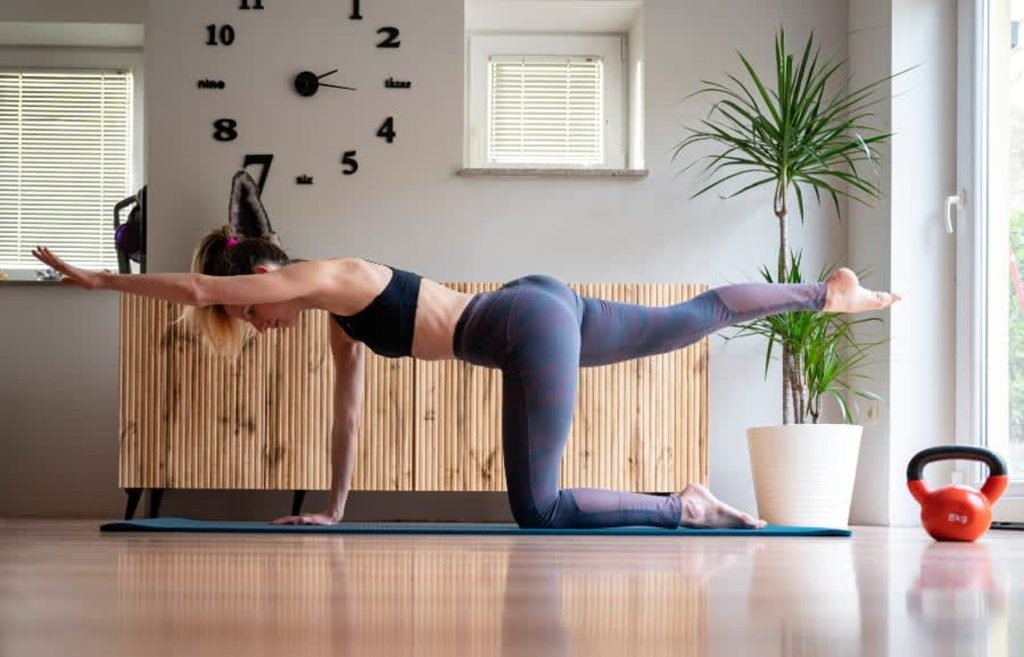
Posted on August 8th, 2025 Core strength goes far beyond the look of a toned midsection; it’s the result of several interconnected muscles working together to stabilize and support the body in every movement. The transverse abdominis, rectus abdominis, internal and external obliques, lower back muscles, pelvic floor, and glutes form this central powerhouse, creating a foundation that affects posture, balance, and overall function. A strong core boosts movement control, supports breathing and digestion, and helps prevent back, hip, and injury issues. Understanding Core Strength And Spine Support Core strength is more than a toned midsection; it’s about the coordinated work of multiple muscle groups that stabilize and support the body. The transverse abdominis, rectus abdominis, internal and external obliques, lower back muscles, pelvic floor, and glutes all contribute to your ability to move efficiently and maintain proper posture. Together, these muscles form the foundation for movement, much like a solid base supports a building. A well-developed core helps you stand tall, bend without strain, and lift with control. A strong core plays a significant role in everyday well-being. It supports digestion, promotes efficient breathing, and keeps the spine stable. When the core is engaged, it reduces stress on the back and hips, lowering the risk of injury. A balanced core also improves biomechanics, allowing muscles and joints to work together more efficiently. This harmony not only supports mobility now but helps preserve joint health for years to come. Strengthen Core With Pilates Mat Exercises Pilates focuses on precision and mindful control, making it a powerful tool for building core strength. Each exercise is performed with a focus on alignment and breath, ensuring deep muscle engagement without unnecessary strain. Here are some Pilates exercises that effectively target the core: By performing these exercises with deliberate attention to breath and form, you train the core muscles to activate consistently. This controlled engagement builds strength that supports posture, balance, and coordination. The breathing technique used in Pilates—deep inhales through the nose and slow exhales through the mouth—further enhances muscular performance by improving oxygen flow and focus. These combined elements make Pilates an effective and sustainable method for core conditioning. Yoga Poses That Build Deep Core Strength Yoga strengthens the core by combining stability, balance, and mindful movement. Many poses require maintaining alignment while engaging multiple muscle groups, which challenges the core in unique ways. Some effective yoga poses for core strength include: Breath control deepens the connection between mind and body in each of these postures. Techniques such as Ujjayi breath help regulate movement and enhance muscle engagement, making each pose more effective. Over time, this combination of balance, breath, and alignment helps create a strong, stable core that supports both physical performance and mental focus. Pilates Vs Yoga For Core: Key Similarities Pilates and yoga share common ground, but they also bring unique benefits to core training. Both emphasize a strong link between breath and movement, which improves concentration and supports muscle activation. They also value stability as a foundation for movement. Here’s how the two compare in their approach to building core strength: While Pilates often appeals to those who enjoy methodical, structured workouts, yoga offers variety through fluid transitions and diverse postures. Practicing both can give you a balanced approach that develops strength, flexibility, and control in equal measure. Combining the focus of Pilates with the dynamic flow of yoga allows for a well-rounded core training experience. Combine Pilates And Yoga For Stronger Core Blending Pilates and yoga can create a powerful, balanced routine that develops core strength while improving flexibility and body awareness. Pilates lays the groundwork by training precise movement patterns and strengthening deep stabilizers, while yoga builds on this foundation with poses that challenge balance and expand range of motion. A weekly plan could look like this: Alternating these practices keeps your workouts engaging and prevents overuse of the same muscle patterns. Over time, this approach improves not only your physical strength but also your ability to move with efficiency and confidence in daily life. The adaptability of both practices means they can be tailored to your needs, whether you’re aiming for improved athletic performance or simply greater comfort in everyday activities. Related: How to Improve Posture in Pilates for Optimal Results Core Strength Lessons From Pilates And Yoga Building a strong, stable core through Pilates and yoga supports far more than exercise performance—it lays the groundwork for better posture, balance, and everyday movement. By combining precise, controlled exercises with mindful, flowing sequences, you create a routine that strengthens deep stabilizers, improves flexibility, and sharpens body awareness. Consistency in these practices can lead to noticeable improvements in how you move, stand, and feel, making them a valuable addition to any wellness routine. At Better Posture Pilates, formerly Sana Vita Studio, we provide programs that respect your body’s unique needs while helping you progress toward your goals. Explore my personalized services and discover the path to strength, relief, and well-being. Book your session today! Whether you choose a focused Pilates session, a yoga practice, or a blend of both, we’re here to guide you toward lasting results. Call us at (773) 386 8831 to start your journey toward a stronger, more balanced body.