Classical vs Contemporary Pilates: Major Methods and Differences
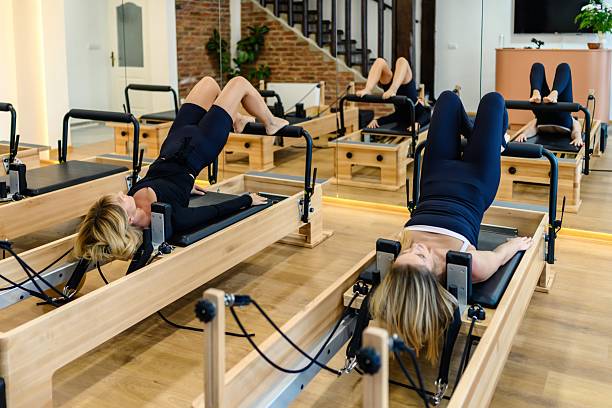
Two Pilates classes can use similar equipment yet feel very different. One teacher may follow a set order with familiar transitions. Another may change the order, range, or position for each client. This can confuse people who expect one standard Pilates method. The debate around classical vs contemporary Pilates helps explain these differences. Better Posture Pilates guides clients through Pilates Reformer classes in Chicago with personal corrections and clear exercise choices. Both approaches come from the work of Joseph and Clara Pilates. However, each method protects that foundation differently. Classical teaching stays close to the original repertoire and order. Contemporary teaching uses the same base while adding current movement knowledge and more exercise options. Neither method suits every person. Instructor skill, class level, health history, and personal goals often matter more than the label. Key Differences Between Classical And Contemporary Pilates The difference between classical and contemporary Pilates mainly involves exercise order, teaching choices, alignment, and modifications. Classical Pilates aims to preserve the original system as a connected body of work. A class often follows a recognized order and uses established transitions. Contemporary Pilates keeps core ideas such as breath, control, concentration, and flow. However, it may change the order or add variations based on the client. The traditional Pilates method treats the mat and apparatus as related parts of one system. In contrast, the modern Pilates method may combine that system with updated exercise science or rehabilitation ideas. People comparing Pilates classes in Chicago should ask how a teacher uses the method, not only which label appears on the schedule. A well-taught class should explain the purpose of each movement and adjust the level without losing control. How Classical Pilates Started And Why It Matters Joseph Pilates called his exercise system the Contrology method. He and Clara Pilates taught mat and apparatus work as one connected practice. His 1945 book presented 34 mat exercises and linked physical training with breath, focus, and control. The term Joseph Pilates’ original method now refers to work passed through teachers who studied with the Pilates family or early students. Common features include: Many classical schools value consistency because the order helps teachers see progress. However, classical instruction does not require careless repetition. A skilled teacher still considers experience, health limits, and safe exercise range while protecting the method’s structure. How Contemporary Pilates Evolved From The Original Method Later teachers brought new knowledge into contemporary Pilates education. Many programs kept the original exercises while using ideas from anatomy, physical therapy, and modern biomechanics in Pilates. This approach often gives teachers more freedom to change order, range, or equipment based on the person. Common features include: These changes do not make contemporary work less demanding. A changed exercise can still require control and strength. Likewise, variation should have a clear reason. Good teaching keeps the main Pilates principles and techniques while choosing movements that fit the client’s current ability. Classical Vs Contemporary Pilates Compared Side By Side The main differences in the Pilates method become easier to understand through direct comparison. Both styles use mat work, springs, straps, and apparatus. However, teaching plans can differ. This table shows how classical vs contemporary Pilates may shape a class. Area Classical approach Contemporary approach Exercise order Often follows a known sequence May change based on goals Repertoire Stays close to original exercises Adds variations and newer exercises Alignment Uses traditional positions and cues May use several alignment options Equipment Favors traditional apparatus setup May use updated equipment and props Modifications Adjusts while protecting the system Builds changes into the program Class design Often uses level-based progressions Often uses client-based programming Clients should ask what the class includes and how the instructor handles individual needs. As a trusted Pilates studio in West Loop, we use one approach or a thoughtful mix. How Pilates Sequence And Equipment Shape Your Class Sequence and apparatus affect pace, transitions, and the muscles used. Better Posture Pilates provides personal corrections so clients can understand these choices. Classical Format A classical Pilates Reformer session often follows a known order. Traditional springs, straps, boxes, and transitions support that flow. Classical Pilates exercises build on earlier work so that experienced clients may recognize patterns across sessions. Contemporary Format A contemporary Pilates Reformer session may change springs, props, positions, or order for a specific goal. Teachers may select contemporary Pilates exercises around balance, hip control, shoulder movement, or trunk support. Differences in Pilates apparatus usually involve setup and teaching choices, not a completely different machine. Better Posture Pilates offers Pilates Reformer classes in Chicago for varied experience levels. In either format, safe equipment use depends on clear guidance and steady control. How Pilates Alignment And Modifications Match Client Needs Classical and contemporary schools may use different cues for the pelvis, spine, ribs, and breath. Some traditional exercises use a strong spinal curve. Contemporary systems may keep natural spinal curves during more tasks. However, neither approach uses one position for every exercise. Pilates Options For Beginners And Returning Clients The question of classical or contemporary Pilates for beginners has no universal answer. A beginner may like repeated structure. Another may prefer more options. Private Pilates sessionscan help new clients learn equipment, breathing, and basic control. Pilates Choices For Experienced Clients An experienced client may enjoy the pace of classical work. Someone with a changing goal may value a flexible plan. People often ask which type of Pilates is best, yet instructor skill matters more than one alignment rule. A teacher should explain the goal, watch the response, and change the task when needed. How To Judge A Pilates Class Beyond Its Marketing Label A label cannot show how well an instructor watches movement. Better Posture Pilates has served Chicago for more than 20 years. Owner Marilyn D’Andrea has taught Pilates since 2004 and holds a master’s degree in Exercise Science. Her background includes anatomy and biomechanics. Before choosing a class, ask: These questions matter because both methods can be taught well or poorly. Strong instruction connects history,
Why Do You Shake During Pilates? Muscle Fatigue and Body Control
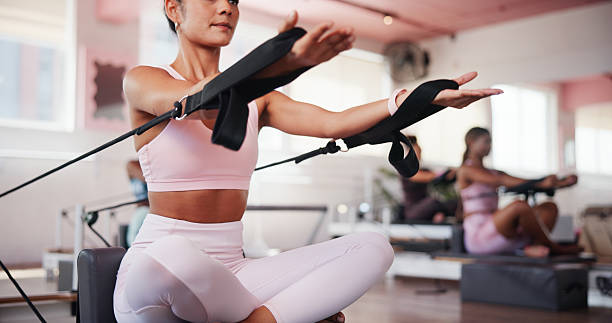
A leg starts to quiver during footwork—the core trembles during a plank. An arm shakes as it holds a strap. These reactions can feel alarming, especially during a first class. In many cases, shaking begins when working muscles struggle to maintain steady force. The nervous system must continually adjust which muscle fibers are active and how quickly they respond. Better Posture Pilates helps clients understand these reactions during Pilates Reformer classes in Chicago. Our skilled instructors can change the spring setting, movement range, pace, or body position when control begins to fade. Mild trembling during effort does not always signal a problem. However, shaking with pain, dizziness, faintness, numbness, or unusual weakness needs a different response. Understanding what causes Pilates muscle shaking can help clients move with more confidence, notice warning signs, and make better exercise choices. Why Your Muscles Shake During Pilates Exercises Many clients ask, why do you shake during Pilates? The most common reason is temporary muscle fatigue. A muscle may still complete the movement, but it may struggle to produce smooth and steady force. People also search for why muscles shake during exercise because the reaction can happen during Pilates, strength work, yoga, cycling, and other physical activities. The nervous system sends signals to groups of muscle fibers called motor units. As the exercise becomes harder, the body may activate more motor units to maintain the position. Those signals may become less steady as the working muscles tire. This can create visible trembling. Whether shaking during Pilates is normal depends on what else is happening. Mild shaking in the working muscle may be a common fatigue response. Shaking paired with sharp pain, dizziness, faintness, chest discomfort, or sudden weakness should not be ignored. What Causes Visible Muscle Shaking In Pilates Pilates often asks one body area to remain steady while another area moves. The pelvis may need to stay level while one leg reaches. The ribs may need to remain controlled while the arms pull straps. These tasks place steady demand on the stabilizer muscles in Pilates. Slow movement also makes small changes easier to notice. A fast movement may hide poor control. A slow Pilates exercise gives the body more time under tension, so trembling may become clear. Several parts of Pilates training can increase the demand: This explains why muscle shaking during workout sessions may begin before someone feels fully exhausted. The exercise may test balance, timing, endurance, and control rather than basic strength alone. We provide private and group Pilates in Chicago for clients with different experience levels, goals, and movement needs. What Muscle Fatigue During Pilates Really Means Muscle fatigue does not mean the muscle has stopped working. It means the body cannot produce or control force as well as it could at the start of the exercise. Fatigue can involve both the working muscles and the nervous system. During a demanding exercise, the body tries to maintain the required force. It may increase motor unit recruitment during exercise, alter signal timing, and activate additional muscle fibers. However, these changes do not always create smooth movement. The result may appear as muscle tremors during exercise. Neuromuscular fatigue during exercise can reduce force control, coordination, and movement quality. A client may still complete the repetition, but the body may begin using other muscles to compensate. For this reason, shaking should be treated as useful feedback. It does not automatically mean the exercise is harmful. It also does not prove the exercise is being performed correctly. Why Your Core And Legs Shake More In Pilates The legs and core frequently shake because Pilates gives them long stabilizing jobs. They may work through several repetitions without fully resting. Core Shaking During Pilates People often ask, why does my core shake during Pilates? The abdominal muscles, back muscles, diaphragm, and pelvic floor help control the trunk. They work together to keep the ribs and pelvis organized while the arms or legs move. A leg reach, for example, can pull the pelvis forward. The core must resist that pull. If the leg moves farther than the client can control, the abdominal area may start trembling. The instructor may reduce the leg range, bend the knee, shorten the hold, or support the head. These changes can help maintain proper Pilates form when shaking. During our Pilates Reformer classes in Chicago, an instructor can observe the full movement instead of focusing only on the shaking area. Leg Shaking During Pilates Clients also ask, why do legs shake during Pilates? Footwork, bridges, lunges, side-lying work, and standing Reformer exercises can keep the quadriceps, glutes, calves, and hip muscles active for long periods. A moving carriage adds another challenge. The legs must push the carriage away and control it as it returns. This is why body shaking during Reformer Pilates may become more noticeable during slow carriage movement. Normal Pilates Shaking Versus Warning Signs Shaking needs context. Mild trembling in the muscles performing the exercise may result from muscle fatigue during Pilates. It should usually lessen after rest, a smaller range, or a lighter exercise version. Symptoms involving the whole body or affecting awareness need more care. What Happens Common Fatigue Response Reason to Stop Location Working muscle or nearby support muscles Whole body or an unrelated body area Timing Begins during a demanding exercise Starts suddenly without clear effort Sensation Effort, warmth, or mild muscle burning Sharp pain, numbness, or marked weakness Recovery Settles after rest or an easier variation Continues, worsens, or returns often Other symptoms Normal breathing and awareness Dizziness, faintness, chest pain, or confusion Understanding when to stop exercising due to shaking is important. Stop the exercise when trembling becomes strong enough to affect alignment, breathing, balance, or awareness. A Pilates instructor can adjust the exercise, but an instructor cannot diagnose the medical cause of ongoing or unexplained shaking. Does Shaking During Pilates Mean It Is Working Shaking can show that an exercise feels demanding. However, it does not prove that the exercise is being performed
Pilates for Weight Loss: Does It Work and How to Maximize Results
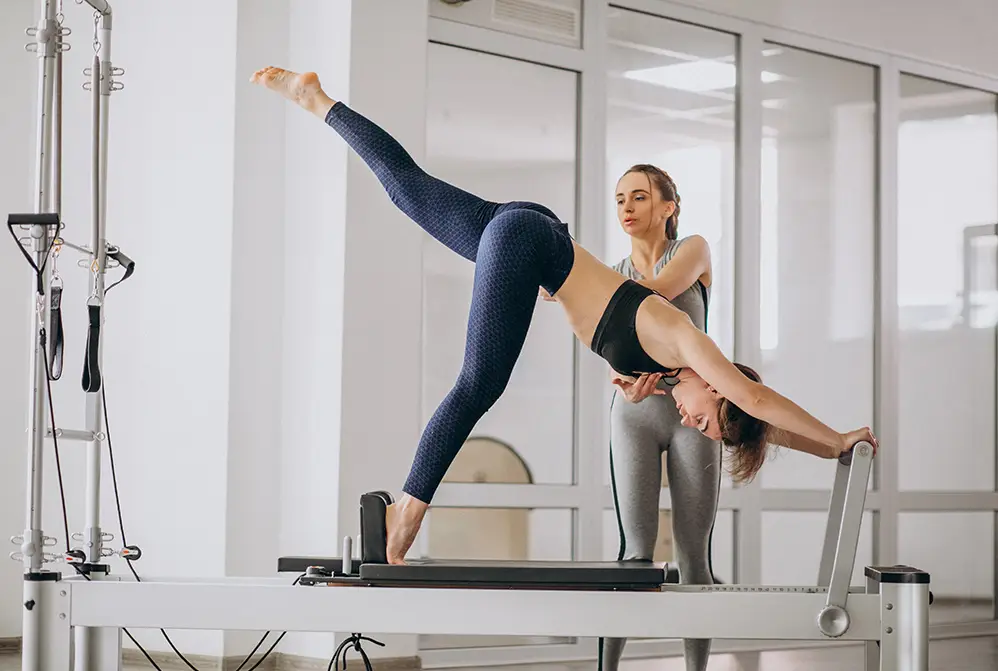
Losing weight can become tiring when every plan asks for more time, more effort, and less food. A hard workout may leave the joints sore. A strict routine may fall apart during a busy week. Pilates for weight loss offers another way to stay active, but it is not a fast fix. People searching for Pilates classes in Chicago may want an exercise that builds strength without jumping or high-impact movements. Better Posture Pilates offers private and small group sessions with close form checks. Our instructors adjust the pace, spring setting, and movement range when needed. Yet Pilates is only one part of weight care. Food choices, walking, sleep, stress, health, and weekly activity all affect progress. A useful plan should fit real life, because a routine only works when a person can keep doing it. Can Pilates Really Help With Weight Loss? The answer is yes, but the full picture matters. People often ask, does Pilates help you lose weight? Pilates uses energy and adds movement to the week. It can train the core, hips, legs, back, and shoulders. Yet weight change depends on more than class time. The body must use more energy than it takes in over time. The CDC explains that physical activity helps create this gap. It notes that food intake often drives much of weight loss. Regular activity remains important for keeping lost weight off. Therefore, is Pilates good for weight loss depends on the person’s full routine. Pilates may support the goal, while meals, daily movement, sleep, and health shape the final result. What Research Says About Pilates and Body Weight Research gives a careful answer, not a promise. A 2021 review studied 11 trials involving 393 adults with overweight or obesity. The review found drops in body weight, BMI, and body fat percentage. However, it found no clear change in waist size or lean body mass. The authors rated the evidence from low to moderate. They said better studies are still needed. This means that whether you can lose weight doing Pilates has no fixed answer. Some people may see a change, while others may not. Longer programs appeared more helpful in the review, but the studies used different plans. For this reason, Pilates for fat loss should be part of a wider routine. It should not be sold as a sure result. Progress Can Show Up Before the Scale Changes The scale can move for many reasons. Water, meals, salt, sleep, and hormones may change the number. So, Pilates weight-loss results should include more than just body weight. Pilates for body toning usually means stronger muscles and better control. It does not mean fat can leave one chosen spot. The body decides where fat changes occur. Meanwhile, Pilates for body composition focuses on fat and lean tissue, not just pounds. A person may feel stronger before the scale shows much change. That progress still matters. Calories Matter, but Fixed Burn Numbers Do Not Many people search for Pilates calories burned before choosing a class. Yet one number cannot fit every session. A slow beginner class differs from a hard equipment session. Body size, pace, rest, skill, and exercise choice all change energy use. The CDC shows that calorie use varies by activity and body weight. A watch can give a rough estimate, but it cannot judge form or muscle effort. For this reason, a Pilates workout for weight loss should not chase the highest number on a screen. Better form may help a person train more often. Poor form may cause pain and missed classes. A steady routine can add more useful activity across many weeks than one very hard workout. Reformer and Mat Work Support Different Needs Both formats can support a weight goal, but they feel different. Reformer Pilates Moves That Boost Calorie Burn Reformer Pilates for weight loss uses a moving carriage, straps, a footbar, and springs. The springs may add resistance or give support. This allows the instructor to change the workout without changing the whole exercise. Mat Pilates Exercises To Support Weight Loss Mat Pilates for weight loss uses body weight and gravity. Some moves feel harder because there is less equipment support. Mat work can be useful at home after the safe form is learned. Neither format promises better weight loss. The best choice is the one a person can attend, enjoy, and repeat. Better Posture Pilates offers Pilates Reformer classes in Chicago with personal corrections in classes and private sessions. Build a Week That Has Room for Pilates A good week does not need hard exercise every day. The CDC recommends at least 150 minutes of moderate activity each week. Adults also need muscle-strengthening activity on two days. Some people may need more movement for weight care. Day Sample activity Main purpose Monday Pilates session Strength and control Tuesday Brisk walk Aerobic movement Wednesday Rest or light walk Recovery Thursday Pilates session Practice and strength Friday Brisk walk or cycling Aerobic movement Weekend Rest, walk, or another class Flexible activity For someone asking how often to do Pilates for weight loss, two or three sessions per week may work. The Pilates for beginners guide can help new clients choose a starting pace. Use Cardio, Strength, and Rest With Care Pilates does not need to carry the whole plan. Pilates and cardio for weight loss may work well because each fills a different role. Walking, cycling, or swimming can add aerobic activity. Pilates can train control and muscle endurance. Pilates and strength training may fit in the same week when the body has time to recover. More exercise is not always better. A tired person may move less during the rest of the day. A plan should leave enough energy for work, sleep, and normal life. Food, Sleep, and Stress Shape the Outcome Exercise supports weight management, but diet plays a major role. The CDC notes that reducing calories often drives much of weight loss. It says regular activity helps with weight control and keeping weight
Beginner’s Guide to Pilates: How Often Should You Practice for Results?
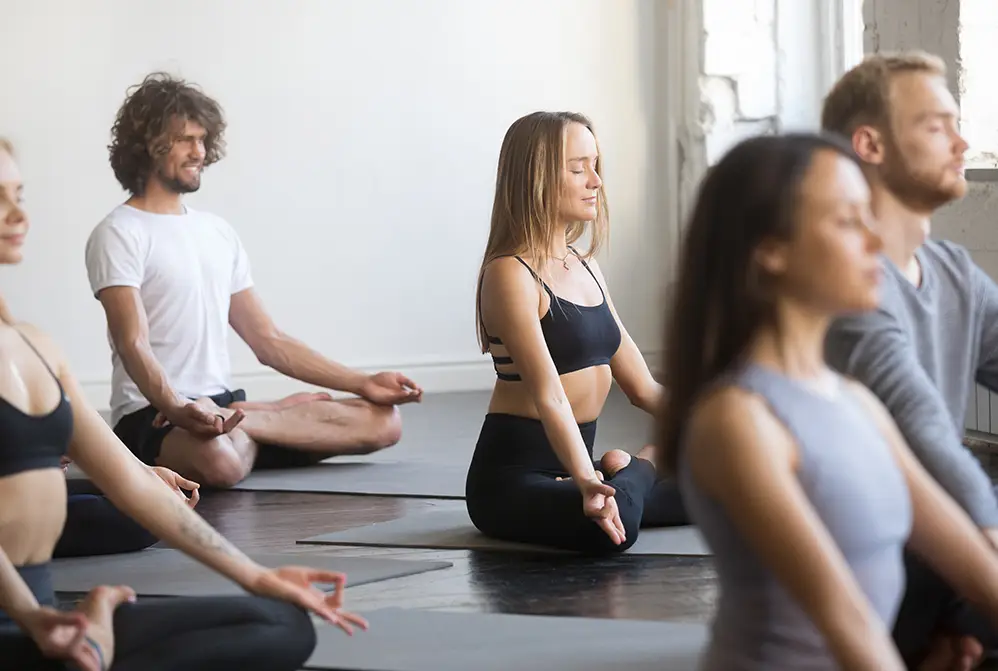
Starting Pilates can feel confusing. A new client may not know how often to attend. One class may seem too little, while five can feel like too much. Sore muscles can add more doubt. So can a busy work week. Pilates for beginners works best when the plan feels safe and easy to repeat. Better Posture Pilates helps Chicago clients learn movement at a steady pace. We offer private and small group instruction in Chicago. Our instructors watch form, breathing, and body position during each session. Because every client starts from a different place, we adjust the range of exercises and equipment as needed. A good plan should build skill without leaving the body worn out. For many beginners, one or two weekly sessions provide a useful starting point. How Often Should A Beginner Do Pilates For Results There is no single schedule for every beginner. Still, one or two sessions each week are a practical start. This gives the body time to learn new movements and recover between classes. Research programs often use two or three weekly Pilates sessions. Yet those studies include different people, class lengths, and health goals. Frequency should fit the person, not a fixed rule. A beginner who feels very sore may need more rest—someone who already exercises may be able to handle more practice. The answer to how often you should do Pilates depends on sleep, work, health, and other workouts. A steady plan matters more than a packed schedule. Regular practice gives the body more chances to remember safe form and controlled movement. Simple Beginner Pilates Schedule To Build Consistency Hard training is not needed every day. Better Posture Pilates can help clients choose a schedule that aligns with their comfort, goals, and class experience. A clear Pilates schedule for beginners can remove much of the guesswork. The plan below gives the body time to learn and rest. It is not a medical plan. Rest days still matter. They give sore muscles time to settle. A short walk or gentle movement may feel good between classes. That choice can change as strength and control improve. What Results A Pilates Beginner Can Expect To Notice People often ask, ‘When do you see results from Pilates?’ The answer depends on what counts as a result. Pilates for beginners should build movement skills before chasing visible change. A beginner may notice better body awareness before seeing a change in muscle shape. Breathing may feel easier during movement. The ribs may stay steadier while the arms move. Standing may feel less tiring. These changes can appear before larger gains in strength or flexibility. In an eight-week study, healthy women completed two 45-minute Pilates sessions each week. The study measured physical fitness and well-being after the program. However, one study cannot predict each client’s timeline. A broad review found that much Pilates research had low or very low quality. No studio should promise a set result by a fixed date. Is One Two Or Three Weekly Pilates Classes Better One weekly class can teach safe positions and support a routine. However, progress may feel slower because there is more time between lessons. Two sessions can give the body more chances to practice breathing and body position. In one trial involving people with long-term low back pain, twice-weekly Pilates performed better than once-weekly Pilates on some outcomes. That study focused on back pain, so it does not set a rule for every beginner. Three sessions can offer more practice, yet more class time does not always mean faster gains. Many Pilates studies use three weekly sessions, but the people and goals vary. It is better to complete two focused sessions than three rushed ones. Reformer Or Mat Pilates For New Beginners Compared Both formats can work for a beginner. Reformer Pilates for beginners uses a moving carriage, springs, straps, and a footbar. The springs can support movement or add resistance. Mat Pilates uses body weight and gravity. It may look simple, but some mat exercises can feel hard without equipment. The best format depends on comfort, goals, and teaching style. A client who likes equipment feedback may enjoy the Reformer. Someone who prefers floor work may like mat practice. We offer Pilates reformer classes in Chicago with personal form checks. Research describes mat and equipment work as parts of the same Pilates method—both use control, breathing, posture, and focused movement. Private Or Small Group Pilates Classes For Beginners Class size can shape the beginner experience. Private Pilates classes give one client the full attention of one instructor. Small group Pilates classes let clients learn with others while receiving personal corrections. We offer both formats. Class choice What it offers May suit Private session More time for questions and form checks New clients, injuries, or low confidence Small group class Shared class with personal guidance Clients who enjoy learning with others Intro Reformer class A lower-cost way to try equipment New clients are curious about Reformer work A beginner does not need to stay in one format forever. Some clients begin privately and later move into group classes. Others keep a mix of both. Common Beginner Pilates Mistakes To Avoid Early New clients often try too hard because they want fast progress. That can make the neck, back, or hips work harder. Slow practice usually teaches more. A beginner should ask questions when a cue feels unclear. The instructor can change leg height, spring setting, or body position. Better Posture Pilates gives personal corrections during private and group sessions. The studio has served Chicago for more than 20 years. That history supports teaching based on regular client work and close form checks. Recovery Soreness And Safety Tips For Pilates Beginners Mild muscle soreness can happen after a new workout. It may appear in the core, hips, legs, or upper back. That feeling should ease with time. Sharp pain is different. The rest includes sleep, food, water, light, and daily movement. Pilates can fit beside walking, cycling, or strength work. However,
Is Pilates Good for Back Pain? What Science and Instructors Say
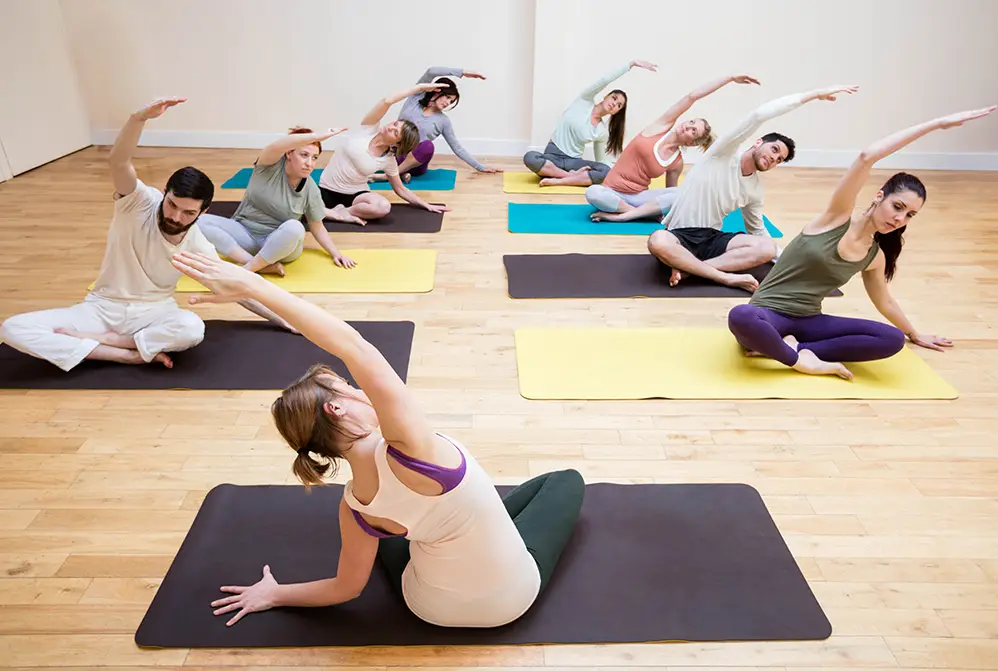
Back pain can change how a person sits, walks, sleeps, and works. A sore back may lead to less movement. Less movement may lead to increased stiffness and weaker support. That cycle can make normal tasks feel harder. Many people ask whether Pilates for back pain can help. Research suggests Pilates may support some people with long-term low back pain. However, it does not fix every cause. Better Posture Pilates offers private Pilates classes in Chicago for clients who need close guidance. Our instructors watch posture, breathing, and movement during each session. They can change the exercise range, pace, or equipment when needed. Because pain can have many causes, clients should seek medical advice for new or severe symptoms. Pilates works best as one part of a careful movement plan. What Science Says About Pilates For Back Pain People often ask, is Pilates good for back pain? It may help some adults with ongoing low back pain. Pilates uses controlled movement, breathing, and trunk support. A 2023 review found emerging evidence for better core strength and pain outcomes. However, the authors noted limits in the available studies. Another meta-analysis reported gains in pain, function, and quality of life. Results still varied across people and programs. The World Health Organization recommends exercise programs for chronic primary low back pain. Yet WHO calls for person-centered care, not one isolated answer. Care may include education, exercise, physical care, and psychological support. Pilates for back pain is not a cure. It cannot diagnose a disc problem, nerve issue, or other condition. Why Back Pain Becomes A Daily Cycle And Lingers A long workday may start with tight hips. That tightness can alter pelvic movement, so the back has to work harder. Soon, the shoulders round and the neck tightens. Because the body protects sore areas, a person may move less. That choice can add more stiffness. People who are searching for whether Pilates helps lower back pain often focus only on weak abs. Yet the hips, ribs, pelvis, breathing muscles, and spine work together. Core strength training can improve control around those areas. However, the goal is not constant stomach tension. Pilates for posture improvement trains sitting, standing, reaching, and bending. Because posture changes throughout the day, useful exercises should train movement. This whole-body approach makes Pilates a low-impact exercise for back pain. The muscles still work, but the session avoids jumping and fast impact. Reformer And Mat Pilates Options For Back Pain The right format depends on the person. Reformer Pilates for back pain uses springs, straps, and a moving carriage. Springs can add resistance or provide support. Mat Pilates for back pain uses body weight and gravity. It may require more control without equipment feedback. Format How it works Possible fit Key concern Reformer Adjustable springs guide or resist movement Clients who value equipment support Spring choice and form need guidance Mat Body weight works against gravity Clients are comfortable with floor movement Some moves may feel harder without support Private session One instructor watches one client New pain limits or low confidence It does not replace medical care Small group Clients share instruction Stable symptoms and class experience Less one-on-one time than private work The guide to Reformer vs Mat Pilates explains these formats in more detail. Who May Benefit Most From Guided Pilates Sessions Pilates may suit adults with medical approval who want to rebuild steady movement. However, the plan should match the person, not just the diagnosis. Some people want Pilates exercises for back pain that they can copy at home. Yet an exercise name does not show whether it fits that person. A small change in leg height or spinal position can change the load. For this reason, learning from an instructor can reduce guesswork. It can help clients understand what comfortable effort feels like. When Back Pain Needs Medical Attention Not Pilates Exercise should not push through warning signs. Although mild muscle effort can be normal, sharp or spreading pain needs care. People often ask, “Can Pilates make back pain worse?” It can occur when the exercise, range, or load does not fit the condition. Warning Signs To Stop Pilates And Call A Doctor These signs may need urgent medical review. Meanwhile, ongoing pain that limits sleep or work should be discussed with a professional. A Pilates instructor teaches movement. The instructor does not diagnose the cause of pain. That clear line protects the client and supports safer care. When Private Pilates Classes In Chicago Help Back Pain Private teaching gives the instructor time to learn how a client moves. Better Posture Pilates asks about goals, prior injuries, discomfort, and current fitness. Our instructors can adjust spring resistance, range, pace, and exercise choice. Owner Marilyn D’Andrea has taught Pilates since 2004. She holds a master’s degree in Exercise Science. Her background includes anatomy and biomechanics. Better Posture Pilates has served Chicago for more than 20 years. This experience supports clear instruction, but it does not replace medical treatment. Therefore, clients should bring guidance from their healthcare provider when needed. The studio can use that information to support a careful return to movement. Each session can change as comfort, control, and confidence improve. Pilates Class Costs in Chicago for Back Pain Cost matters when someone plans regular sessions. Better Posture Pilates offers several ways for new clients to begin. A 55-minute private intro session costs $60. Two private sessions cost $120. Four classes with one private session cost $140. An introductory Reformer class costs $15. The private intro may fit someone who wants close attention before a group class. Meanwhile, Pilates reformer classes in Chicago may suit clients ready for equipment-based work. Prices and offers may change, so clients should confirm the current rate before booking. Cost should not be the only factor. The instructor’s experience, class size, and ability to change exercises matter too. A safer class may save a client from repeating moves that do not fit. How To Choose A Local Pilates Class For Back Pain Instructors
Reformer vs Mat Pilates: Key Differences and Which to Choose
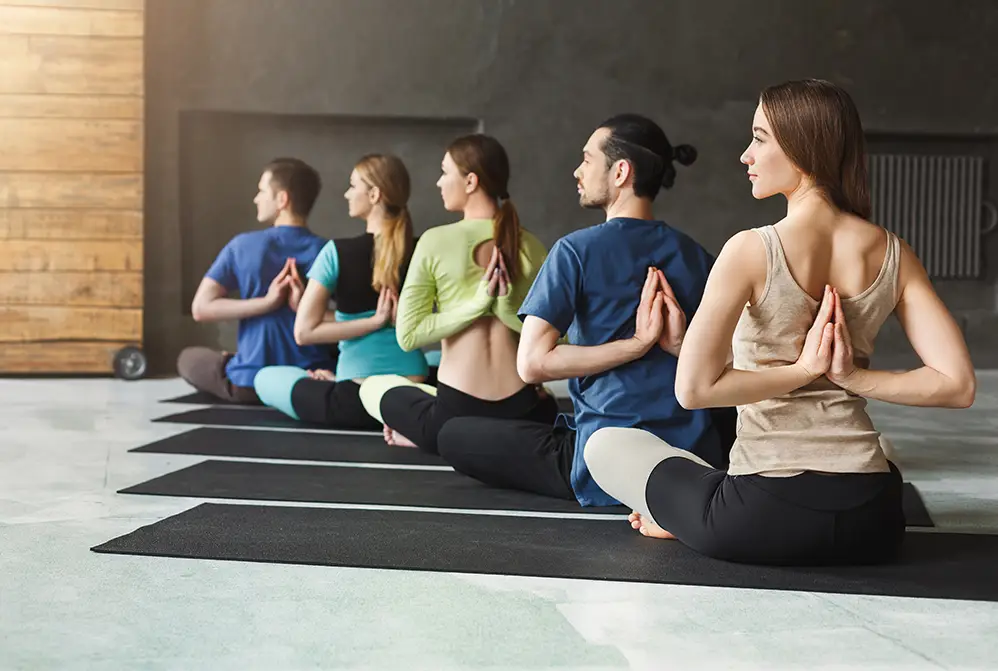
Long days at a desk can leave the hips tight and the back tired. A person may want Pilates, yet the class choices can feel confusing. One class uses a mat. Another uses a machine with springs and straps. Both can build strength, but the workout feels different. Mat work uses body weight and gravity. Reformer work uses a moving carriage and adjustable springs. Better Posture Pilates helps Chicago clients choose a starting point based on their goals and movement needs. Our instructors provide personal corrections during private and group sessions. People looking for Reformer Pilates Classes in Chicago can learn how the equipment works before trying harder exercises. The Short Answer About Both Pilates Formats Reformer vs Mat Pilates is not a choice between real Pilates and a weaker version. Both methods use controlled movement, steady breathing, body awareness, and focused muscle work. The main difference comes from resistance. A mat Pilates workout uses the body against gravity. A reformer Pilates workout adds springs, straps, a footbar, and a sliding carriage. Springs may make a move harder. In other cases, they can support the body while someone learns it. A systematic review describes Pilates as a mind-body method focused on strength, core stability, flexibility, posture, breathing, and muscle control. It notes that Pilates may use equipment or body weight on a mat. What Happens During Mat Pilates? Mat work takes place on a padded floor mat. Many moves use body weight, gravity, and a small range of motion. Props may include bands, rings, or small balls. Mat work can be hard because there is less equipment support. The core must keep the pelvis and spine steady while the arms or legs move. The mat Pilates benefits include easy access and little equipment. A person can practice many moves at home after learning the safe form. Mat Pilates for beginners can suit people who enjoy floor exercise and want to build control with their own body weight. Mat work can help people learn where their body loses support. For example, the ribs may lift as the legs move. The hips may shift during side work. These small changes can affect the whole exercise. What Happens During Reformer Pilates? A Pilates Reformer has a sliding carriage connected to springs. Straps, pulleys, and a footbar give the arms and legs different ways to work. Springs do more than add weight. They may support part of the body during a move. A spring change can make the same move feel very different. The Reformer Pilates benefits include adjustable resistance, body feedback, and more exercise choices. The machine can train the body while lying, sitting, kneeling, or standing. Because the carriage moves, the client must stay aware of balance and control. A guided Pilates Reformer workout can feel supportive and demanding at the same time. The machine does not perform the client’s work. The body must control the carriage as it moves away and returns. The Difference Between Reformer and Mat Pilates The difference between Reformer and mat Pilates becomes clearer in a direct comparison. Area Mat Pilates Reformer Pilates Resistance Body weight and gravity Adjustable springs and body weight Equipment Mat and small props Carriage, springs, straps, and footbar Support Less equipment support Springs may support or challenge movement Positions Mostly floor-based Lying, seated, kneeling, and standing Access Works in many settings Usually needs studio equipment Cost Often lower Often higher due to equipment and class size Neither format is best for everyone. The better choice depends on goals, comfort, health history, and teaching quality. Mat work may feel harder during some core exercises. Meanwhile, the Reformer may feel harder when springs add resistance. Class level and exercise choice shape the workout more than the equipment name. Which Option Works Better for Beginners? We can change the exercise range, spring setting, or starting position. A beginner does not need strong abs or good flexibility before starting Pilates. Both Reformer Pilates for beginners and mat Pilates for beginners can provide a good starting point. The class level and teacher matter more than the equipment. A new client should look for: Good beginner Pilates classes should not expect new clients to know the terms or equipment. Better Posture Pilates guides clients through a planned series of exercises at a steady pace. People with old injuries or ongoing pain may prefer a private session. This gives the instructor more time to watch how the person stands and moves. Which Format Fits Your Main Goal? The Pilates mat vs reformer question becomes easier when the goal is clear. Mat Work May Fit These Goals Mat work can suit someone who wants little equipment and floor-based exercise. It can build body control, core endurance, and skill with body-weight moves. It may work well for a person who wants to practice outside the studio. However, the client should learn safe form before practicing alone. Reformer Work May Fit These Goals Reformer work can suit someone who wants adjustable resistance and more exercise choices. It may help clients who learn well from equipment feedback. Spring settings can change the level without replacing the full exercise. This makes it easier to adjust the workout as strength and control improve. The phrase “mat Pilates vs Reformer Pilates” should not yield a single answer for everyone. The client’s goal matters more than the format’s popularity. What Research Says About Pilates Results Research does not show that one Pilates format gives the best result for everyone. Studies often examine Pilates as a full method. One systematic review found strong evidence for better flexibility and dynamic balance. It found moderate evidence for muscle endurance. However, the authors noted that many studies had low research quality. A later review found possible gains in strength, flexibility, mobility, balance, and quality of life among women with health concerns. Yet the authors called for more high-quality research. These findings support careful claims. Pilates may help with useful fitness goals. Results still depend on the program, regular practice, health, and the person’s starting level. Neither mat nor Reformer work can promise a
Pilates Vs Yoga: Which One Is Right For You?
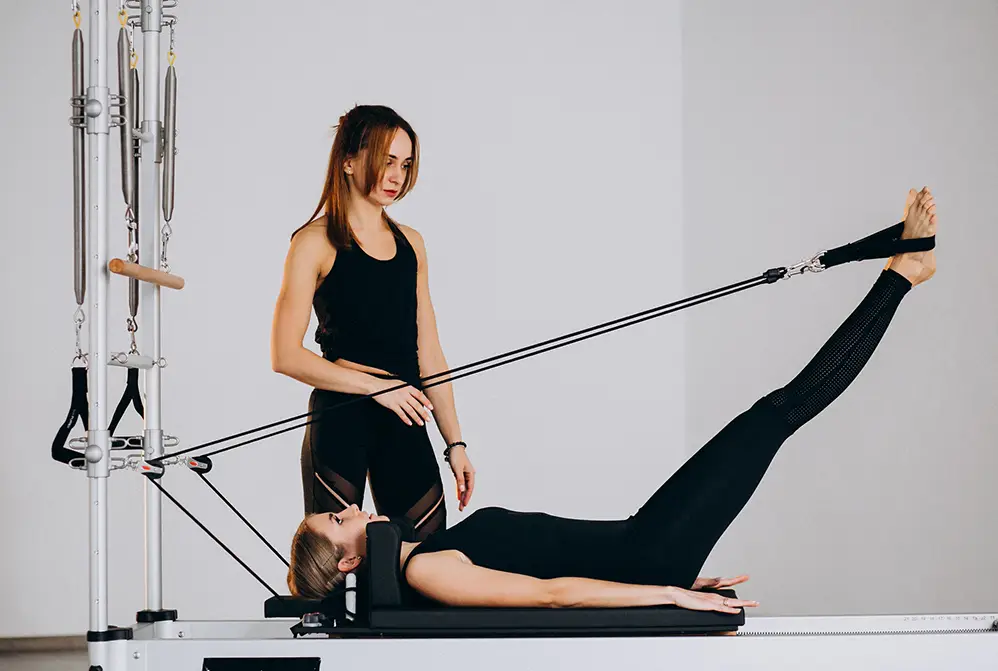
A stiff back, tight hips, weak core support, or daily stress can make choosing an exercise confusing. Some people want more strength. Others want calmer breathing or better flexibility. Pilates vs yoga is not a contest with one winner. Each practice uses controlled movement, breathing, and body awareness. However, the training style and main focus can feel different. Better Posture Pilates helps Chicago clients compare both options without guessing. We offer private and group instruction, so each person can start at a pace that suits them. Our instructors watch movement, explain form, and adjust exercises when needed. Someone may search for the best private yoga classes in Chicago, IL, to make the choice easier and safer. Pilates vs Yoga: Choose Based On Your Main Goal A good way to compare Pilates and yoga is to look at how each session is structured. The main difference between yoga and Pilates is their purpose. Yoga is a mind and body practice, says the National Center for Complementary and Integrative Health. Often, it involves breathing exercises, physical poses, meditation, or simply relaxing. People considering whether Pilates is a better option than yoga should think about what they want to achieve. If someone wants to be stronger and improve their posture, Pilates could be a good option. If you want to be more flexible, learn to balance, improve your breathing, and slow down, then you may be ready for yoga. Both can help with your overall fitness. What A Pilates Class Feels Like For Your Body Pilates asks the body to stay steady while the arms or legs move. The spine, pelvis, ribs, hips, and shoulders work as a unit. A mat session may use body weight and small props. A Reformer session uses springs, straps, and a moving carriage. Common Pilates goals include: Resistance and repeated control play a large role in many sessions. Core strength training is a key part of the method. We provide personal corrections during private sessions and group classes. What A Yoga Class Feels Like For Mind And Body Yoga can range from slow and restful to active and demanding. Most classes use poses, breathing, and focused attention. Some classes hold a pose for several breaths. Others move through a steady sequence. People may choose yoga for: Searches for Pilates vs yoga for flexibility often have no simple answer. Both may help, but yoga can spend more class time on stretching. The stretches may involve held poses or slow movement. NCCIH reports that yoga may support stress management, sleep, balance, and mental well-being. However, research findings differ across studies and yoga styles. Yoga for Beginners should move at a pace that allows clear form and comfortable breathing. Pilates And Yoga Compared Side By Side Benefits The table below shows common differences between the two methods. However, every class can vary depending on the teacher, level, and client needs. Area Pilates Yoga Main focus Core support, strength, posture, and movement control Poses, breathing, flexibility, balance, and relaxation Common format Mat work or equipment-based training Mat-based poses with flowing or held sequences Equipment Mat, props, Reformer, Cadillac, springs, and straps Mat, blocks, straps, blankets, and bolsters Usual pace Controlled repetitions with close form checks Slow holds, steady flows, or restful poses Good fit for Strength, alignment, and movement control Flexibility, breathing, balance, and stress support Beginner options Private instruction or small classes Private instruction or beginner-level classes The benefits of Pilates and yoga overlap in many areas. Both methods can train balance, breathing, control, and body awareness. Yet the class experience can feel quite different. Pilates often involves repeated movements with clear start and stop points. Yoga may involve spending more time holding a pose or flowing between poses. Pilates Or Yoga For Better Posture And Core Support People comparing Pilates vs yoga for posture often want help with rounded shoulders or tired back muscles. Pilates may place greater emphasis on rib position, pelvic control, and deep trunk support. Yoga can help people notice how they stand, breathe, and carry tension. Both methods may help someone become aware of repeated habits. A useful weekly plan may include: The benefits of Pilates include stronger movement control and greater awareness of how body areas work together. We offer private and group Pilates and yoga in Chicago, and we use closed-form checks during instruction. Small changes in the shoulders, ribs, or pelvis may affect the whole movement. Is Pilates Or Yoga Easier For True Beginners The answer depends on the class, not only the method. Pilates vs yoga for beginners can feel very different in a crowded room. A new client may struggle when moves change too fast, or instructions are unclear. Private teaching gives the instructor time to explain breathing, joint position, and safe movement range. Mat Pilates may look simple, yet body-weight work can be hard. Reformer equipment can offer support, but the moving parts need clear instructions. Yoga may feel calm, though some poses require balance or flexibility. A beginner does not need to be flexible before starting either practice. Better Posture Pilates has served Chicago for more than 20 years. Owner Marilyn D’Andrea began helping Pilates clients in 2004. She holds a master’s degree in Exercise Science and is well-versed in anatomy and biomechanics. Is Pilates Or Yoga Better For Building Strength Pilates often suits people who want steady muscle work without jumping or heavy lifting. Many movements ask the body to hold one area still while another area moves. This can build control around the spine, hips, and shoulders. Yoga can build strength as well. Standing poses may challenge the legs. Plank-based poses may work the arms, shoulders, and core. However, the amount of strength work depends on the yoga style. A slow restorative class will feel different from an active flow class. In the same way, a gentle Pilates class differs from an athletic Reformer session. People choosing between the two should ask about class level and pace. The class name alone may not explain how hard
Benefits of Pilates: How It Improves Posture, Strength, and Flexibility
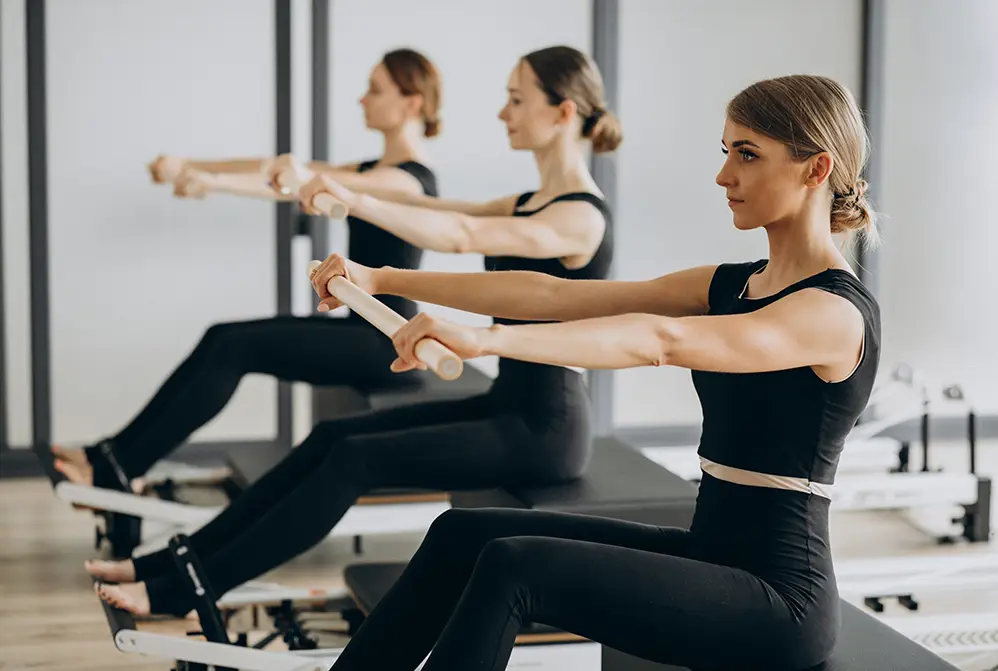
Sitting for hours does more than make the body feel stiff. The hips tighten, which can pull the pelvis out of its usual position. When that happens, the lower back may work harder to keep the body upright. The shoulders may start to round, while the neck takes on extra strain. By the end of the day, a person may feel sore, tired, and less willing to move. That pattern can show up during simple tasks. Standing from a chair may feel slow. Reaching overhead may feel tight. A short walk may leave the back feeling worn out. The benefits of Pilates can help address these linked problems through steady movement, breathing, and muscle control. Better Posture Pilates offers private and small group lessons for people across Chicago. Someone looking for a Pilates studio in Chicago, IL may need more than a place to exercise. They may need an instructor who can see where the body loses support. Our instructors monitor each client’s movement and adjust the pace, equipment, and exercise selection as needed. How Pilates Trains Your Body As One System The body works as a chain. When one area stops doing its share, another area often has to work harder. Weak hips may alter how a person stands. That change can place more work on the lower back. Rounded shoulders may pull the head forward. The neck may tighten as it tries to hold that position. A small problem in one place can spread through the rest of the body. The Pilates benefits come from teaching these areas to work together again. Many exercises ask the hips, spine, ribs, and shoulders to stay organized while the arms or legs move. This helps the body build support without rushing. A low-impact full-body exercise can still be hard work. The joints may experience less pounding, but the muscles must remain active and under control. With regular practice, walking, bending, reaching, and standing may become easier. How Pilates Training Supports Better Posture Poor posture often starts with habits that repeat every day. A person may lean toward a screen, sit more on one hip, or lift the shoulders during stress. Over time, the body gets used to those positions. Some muscles become tight, while others fail to provide adequate support. Pilates for posture improvement helps people notice those habits. It teaches them how the head, ribs, shoulders, pelvis, and feet interact. A trained instructor can often see when the ribs lift, the shoulders round, or the pelvis shifts during movement. Posture correction exercises may help strengthen the muscles around the spine and shoulders. Breathing work may ease extra tension in the neck and chest. Slow movement gives the body time to learn a better position. The goal is not to stand stiff or hold the stomach in all day. The goal is to help the body stay supported while sitting, walking, lifting, and moving through normal life. The studio uses clear cues and hands-on corrections when suitable. Therefore, clients can learn how a small change affects the whole movement. Over time, these skills may help posture feel more natural, not forced. How Pilates Builds Strength You Use Daily Pilates strength comes from control, not speed. Because the body must stay steady, smaller support muscles take part. The core includes the deep belly muscles, back muscles, diaphragm, and pelvic floor. These areas help support the spine and pelvis. Therefore, Pilates for core strength can help during work, exercise, and home tasks. The goal is not to brace every muscle all day. Instead, the body learns when to create support and when to relax. As a result, movement may feel more stable. Strong support can help a person move with better form and less wasted effort. How Pilates Improves Flexibility And Mobility Flexibility means a muscle can lengthen. Mobility means a joint can move with control. Although these skills work together, they are not the same. Pilates trains both through steady movement and useful range. Therefore, Pilates for flexibility does more than hold long stretches. The muscles work while they lengthen. This can help the body stay strong across a wider range. Flexibility classes may focus on tight hips, shoulders, back muscles, and legs. However, the goal is not to push every joint as far as possible. For this reason, safe movement matters more than depth. Because each person starts at a different level, instructors can adjust range and resistance. Over time, improved control may make bending, reaching, walking, and turning feel easier. This may support comfort during daily life. Why Reformer And Mat Pilates Feel Different Both mat and Reformer work can build control, strength, and body awareness. However, each method creates a different training feel. Equipment and mat work can match the client’s needs. Mat Based Pilates Exercises And Benefits Meanwhile, mat work uses body weight and small props. Therefore, it can teach control without large equipment. It may challenge balance because the floor gives less help. Reformer Pilates Exercises For Strength A Pilates Reformer uses a moving carriage, straps, and spring resistance. Because springs can change, the instructor can add support or challenge. The benefits of Reformer Pilates may include guided movement, adjustable resistance, and clear feedback. A related guide on Reformer vs. Mat Pilates can help readers compare the two. However, either method can support strong movement when form stays clear and controlled. What Pilates Beginners Can Expect In Class New clients often worry that they are not flexible or strong enough. However, Pilates for beginners should start at a level that is safe for the person. A beginner may learn breathing, foot position, rib control, and pelvic support. Because these basics guide harder exercises, they deserve time and care. Reformer Pilates classes can help beginners feel the path of each movement. Yet a private setting may provide more personal feedback. Moreover, a personal Pilates instructor can adjust resistance, range of motion, and pace during the session. This gives the instructor time to learn the client’s goals and limits.
Is Pilates the Key to Better Posture? Myth or Fact?

Posted on December 10th, 2025 As you consider paths to enhance your overall postural health, the role of Pilates often emerges as a point of intrigue. It presents a compelling possibility, especially for those who manage the complexities of modern lifestyles. Rather than a vague ideology, Pilates posits itself as a methodical approach, bringing clarity to how posture improvements manifest through its structured exercises. Pilates Core Principles Behind Better Posture Pilates began as a system to rebuild strength and mobility, later evolving into a practice embraced by people seeking balance and better posture. Its foundation rests on six guiding principles: concentration, control, centering, flow, precision, and breathing. Together, they create a method that promotes both physical and mental alignment. When applied consistently, Pilates strengthens the deep stabilizing muscles that support the spine and help maintain an upright position. Here’s how these key Pilates principles contribute to posture and movement quality: Each principle serves a purpose in teaching the body efficiency and strength. When integrated, they create a practice that improves posture naturally. Instead of forcing alignment, Pilates trains your body to maintain it through muscle balance and awareness. Pilates Myths About Posture You Should Ignore Myths about Pilates often limit people from experiencing its benefits. Some assume it’s only for dancers or those already flexible. In reality, Pilates adapts to all body types and skill levels. Its core philosophy revolves around gradual progress, not perfection. One frequent misconception is that Pilates is only about mat exercises. While mat routines are popular, the practice also uses equipment like the Reformer, Cadillac, and Wunda Chair. These tools introduce resistance and support, helping individuals of all abilities train with precision. They assist in: Each apparatus enhances your body awareness while developing the muscles that maintain upright posture. By alternating between mat and equipment sessions, you create a full-body workout that strengthens and lengthens muscles simultaneously. How Pilates Improves Posture And Functional Fitness Scientific studies have confirmed the effectiveness of Pilates in improving posture and balance. Regular practice trains both the deep stabilizing muscles (local system) and the larger movement muscles (global system). The interaction between these two systems keeps the spine supported and allows for efficient motion without strain. Pilates enhances this connection through deliberate control and mindfulness. When you move slowly and purposefully, your body learns to identify and correct imbalances automatically. For example, awareness of your spine’s neutral position during exercises translates into better sitting and standing habits throughout the day. Key ways Pilates enhances posture and overall fitness include: These benefits extend beyond posture correction. Pilates improves neuromuscular coordination, helping you move with greater precision and confidence. This awareness reduces the risk of repetitive strain or fatigue-related discomfort. Whether you work at a desk or participate in athletic activities, maintaining spinal alignment allows your body to function more efficiently. Health Benefits Of Pilates Beyond Better Posture Pilates does far more than strengthen muscles—it supports mental and emotional balance too. This dual benefit is one reason many people find it sustainable over the long term. The movements combine stretching, strengthening, and breathwork, making it a form of active mindfulness that rejuvenates both body and mind. Physically, Pilates enhances flexibility and circulation, which can help reduce common discomforts linked to sitting or repetitive work. It also increases mobility in the spine, shoulders, and hips, areas often affected by modern lifestyle habits. The result is a body that moves freely without pain or stiffness. Here’s how Pilates contributes to better health and well-being: These interconnected benefits make Pilates suitable for managing daily fatigue and tension. As you continue practicing, you may notice improved mood, sharper concentration, and more restful sleep. The rhythmic breathing techniques practiced in Pilates also stimulate relaxation, making it easier to manage life’s daily challenges. Pilates Habits That Support Long Term Posture Change Developing long-term postural improvement through Pilates requires consistency and thoughtful integration into your daily life. Building a sustainable practice doesn’t happen overnight—it grows with repetition, patience, and focus. Start by establishing a schedule that fits your routine. Committing to two or three sessions a week helps the body adapt to new movement patterns and reinforces muscle memory. Consistency is the key to maintaining progress over time. Here are simple ways to integrate Pilates principles into daily living: These small adjustments can have a big impact. When applied consistently, they extend the benefits of Pilates beyond the studio, turning everyday moments into opportunities for alignment and strength. Related: Mind-Body Connection: Pilates for Physical Therapy Key Takeaways On Pilates And Lasting Posture Gains Committing to Pilates is more than pursuing fitness—it’s about cultivating strength, awareness, and control in how you move. Over time, it reshapes not just your posture but your overall sense of balance and energy. Every movement teaches you something about coordination, breathing, and the importance of mindful engagement with your body. At Better Posture Pilates, formerly Sana Vita Studio, we help you strengthen your foundation through mindful movement. If you’re looking to improve posture, build strength, or move with more confidence, we’re here to guide you. Check out our class offerings and start your Pilates journey today. For more information or to book a session, contact us at (773) 386 8831. Begin your path toward balanced alignment and lasting well-being with a practice that supports you from the inside out.
Mind-Body Connection: Pilates for Physical Therapy

Posted on November 10th, 2025 In the midst of busy Chicago life, Pilates emerges as a center of strength-building and renewed vitality, artfully blending the science of movement with the nurturing of mindfulness. If you’re pondering the complex dance between body and soul, the narrative of Pilates could be your next chapter. This practice isn’t just a series of exercises; it’s a whole experience intricately linked to the innate power of your body’s core, a foundation that serves both stability and freedom. Pilates Science Behind Faster Injury Recovery Pilates demonstrates a strong ability to aid in recovery through precise, evidence-based movement. Its foundation lies in strengthening the body’s core—the abdomen, lower back, and pelvic muscles—creating a stable center for all physical activity. These areas act as the body’s powerhouse, promoting balance and efficient motion. Training the core enhances posture and alignment, reducing unnecessary strain on joints and muscles and supporting rehabilitation after injuries. By emphasizing correct biomechanics, such as optimal joint movement and controlled muscle activation, Pilates conditions the body to move efficiently and safely. This thoughtful approach strengthens the body from within, helping restore and maintain mobility while reducing the risk of future injury. Here’s how the principles behind Pilates support physical healing: Together, these aspects make Pilates not just exercise but a restorative therapy that improves how the body functions, heals, and prevents future setbacks. Through mindful practice, the connection between control and strength becomes the bridge toward long-term recovery and physical confidence. How Pilates Supports Your Physical Therapy Plan Integrating Pilates into physical therapy combines traditional rehabilitation techniques with mindful, structured movement. It begins with a detailed assessment to identify your body’s current condition, areas of weakness, and limitations. This evaluation helps craft a tailored program that complements your existing treatment. The implantation process emphasizes balance, flexibility, and postural awareness—critical elements in rebuilding physical function. These methods highlight the value of a collaborative recovery plan: Each of these elements works toward a steady, well-rounded recovery. Pilates’s adaptability means that patients in varying stages of rehabilitation can participate fully, gaining confidence and mobility with each session. Pilates Core Work For Safer Rehabilitation Core strength and flexibility are the heart of Pilates-based rehabilitation. Strengthening the muscles around the spine, hips, and abdomen creates stability that supports nearly every movement. Flexibility complements this by allowing joints to move freely, improving posture and functional range. Together, they form the backbone of any injury recovery program. Let’s look at how building core strength and flexibility aids rehabilitation: Each improvement reinforces the next, creating a positive feedback loop that encourages sustainable healing. With practice, the body not only regains movement but also learns to move with greater awareness and efficiency. Steps To Design Your Pilates Rehab Program A Pilates-based rehabilitation program offers flexibility and personalization that few exercise methods can match. Every plan begins by aligning movement therapy with individual recovery needs, emphasizing controlled progress rather than quick results. This thoughtful design allows adjustments at every stage, respecting each person’s pace of healing. Pilates exercises can be scaled in intensity, offering gentle starts for new participants and advanced movements for those ready to challenge themselves safely. Creating this kind of program requires collaboration between client and instructor. Each session prioritizes stability, proper form, and alignment, all while building endurance. The goal is not just physical recovery but restoring confidence in movement. By emphasizing breath control and mindfulness, Pilates transforms rehabilitation into an empowering experience. This adaptable framework offers distinct advantages: Together, these elements create a program that respects both the physical and emotional aspects of recovery. Pilates doesn’t push the body—it teaches it to rebuild from the inside out. Over time, this approach establishes not just recovery but a renewed appreciation for mindful movement and self-awareness. Related: Boost Endurance and Balance with Pilates Exercises Key Takeaways On Pilates Physical Therapy Pilates bridges science and movement, offering a thoughtful way to strengthen the body and restore balance after injury. Each exercise supports healing by improving alignment, increasing flexibility, and fostering control. The structured focus on core stability makes Pilates an effective companion to physical therapy, promoting long-term mobility and confidence. By committing to consistent, mindful practice, you help your body regain harmony and function while preventing future setbacks. At Better Posture Pilates, formerly Sana Vita Studio, we specialize in guiding clients through restorative Pilates programs designed for healing and strength. Each session blends technical precision with gentle support, allowing you to progress safely while reconnecting with your body’s natural rhythm. Rebuild strength and restore balance through mindful movement — see our full range of Pilates programs. Call us at (773) 386 8831 to explore classes and begin your personalized path toward better posture, mobility, and overall well-being.