Classical vs Contemporary Pilates: Major Methods and Differences
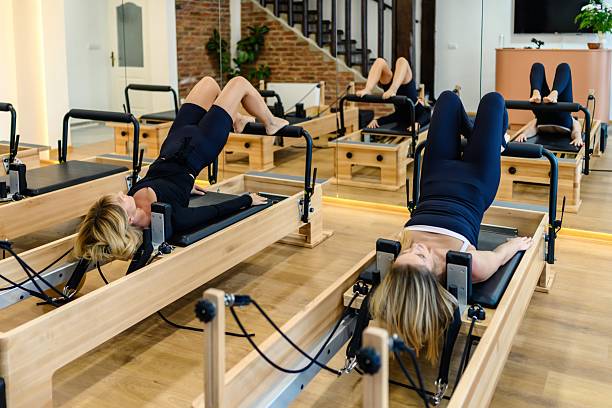
Two Pilates classes can use similar equipment yet feel very different. One teacher may follow a set order with familiar transitions. Another may change the order, range, or position for each client. This can confuse people who expect one standard Pilates method. The debate around classical vs contemporary Pilates helps explain these differences. Better Posture Pilates guides clients through Pilates Reformer classes in Chicago with personal corrections and clear exercise choices. Both approaches come from the work of Joseph and Clara Pilates. However, each method protects that foundation differently. Classical teaching stays close to the original repertoire and order. Contemporary teaching uses the same base while adding current movement knowledge and more exercise options. Neither method suits every person. Instructor skill, class level, health history, and personal goals often matter more than the label. Key Differences Between Classical And Contemporary Pilates The difference between classical and contemporary Pilates mainly involves exercise order, teaching choices, alignment, and modifications. Classical Pilates aims to preserve the original system as a connected body of work. A class often follows a recognized order and uses established transitions. Contemporary Pilates keeps core ideas such as breath, control, concentration, and flow. However, it may change the order or add variations based on the client. The traditional Pilates method treats the mat and apparatus as related parts of one system. In contrast, the modern Pilates method may combine that system with updated exercise science or rehabilitation ideas. People comparing Pilates classes in Chicago should ask how a teacher uses the method, not only which label appears on the schedule. A well-taught class should explain the purpose of each movement and adjust the level without losing control. How Classical Pilates Started And Why It Matters Joseph Pilates called his exercise system the Contrology method. He and Clara Pilates taught mat and apparatus work as one connected practice. His 1945 book presented 34 mat exercises and linked physical training with breath, focus, and control. The term Joseph Pilates’ original method now refers to work passed through teachers who studied with the Pilates family or early students. Common features include: Many classical schools value consistency because the order helps teachers see progress. However, classical instruction does not require careless repetition. A skilled teacher still considers experience, health limits, and safe exercise range while protecting the method’s structure. How Contemporary Pilates Evolved From The Original Method Later teachers brought new knowledge into contemporary Pilates education. Many programs kept the original exercises while using ideas from anatomy, physical therapy, and modern biomechanics in Pilates. This approach often gives teachers more freedom to change order, range, or equipment based on the person. Common features include: These changes do not make contemporary work less demanding. A changed exercise can still require control and strength. Likewise, variation should have a clear reason. Good teaching keeps the main Pilates principles and techniques while choosing movements that fit the client’s current ability. Classical Vs Contemporary Pilates Compared Side By Side The main differences in the Pilates method become easier to understand through direct comparison. Both styles use mat work, springs, straps, and apparatus. However, teaching plans can differ. This table shows how classical vs contemporary Pilates may shape a class. Area Classical approach Contemporary approach Exercise order Often follows a known sequence May change based on goals Repertoire Stays close to original exercises Adds variations and newer exercises Alignment Uses traditional positions and cues May use several alignment options Equipment Favors traditional apparatus setup May use updated equipment and props Modifications Adjusts while protecting the system Builds changes into the program Class design Often uses level-based progressions Often uses client-based programming Clients should ask what the class includes and how the instructor handles individual needs. As a trusted Pilates studio in West Loop, we use one approach or a thoughtful mix. How Pilates Sequence And Equipment Shape Your Class Sequence and apparatus affect pace, transitions, and the muscles used. Better Posture Pilates provides personal corrections so clients can understand these choices. Classical Format A classical Pilates Reformer session often follows a known order. Traditional springs, straps, boxes, and transitions support that flow. Classical Pilates exercises build on earlier work so that experienced clients may recognize patterns across sessions. Contemporary Format A contemporary Pilates Reformer session may change springs, props, positions, or order for a specific goal. Teachers may select contemporary Pilates exercises around balance, hip control, shoulder movement, or trunk support. Differences in Pilates apparatus usually involve setup and teaching choices, not a completely different machine. Better Posture Pilates offers Pilates Reformer classes in Chicago for varied experience levels. In either format, safe equipment use depends on clear guidance and steady control. How Pilates Alignment And Modifications Match Client Needs Classical and contemporary schools may use different cues for the pelvis, spine, ribs, and breath. Some traditional exercises use a strong spinal curve. Contemporary systems may keep natural spinal curves during more tasks. However, neither approach uses one position for every exercise. Pilates Options For Beginners And Returning Clients The question of classical or contemporary Pilates for beginners has no universal answer. A beginner may like repeated structure. Another may prefer more options. Private Pilates sessionscan help new clients learn equipment, breathing, and basic control. Pilates Choices For Experienced Clients An experienced client may enjoy the pace of classical work. Someone with a changing goal may value a flexible plan. People often ask which type of Pilates is best, yet instructor skill matters more than one alignment rule. A teacher should explain the goal, watch the response, and change the task when needed. How To Judge A Pilates Class Beyond Its Marketing Label A label cannot show how well an instructor watches movement. Better Posture Pilates has served Chicago for more than 20 years. Owner Marilyn D’Andrea has taught Pilates since 2004 and holds a master’s degree in Exercise Science. Her background includes anatomy and biomechanics. Before choosing a class, ask: These questions matter because both methods can be taught well or poorly. Strong instruction connects history,
Why Do You Shake During Pilates? Muscle Fatigue and Body Control
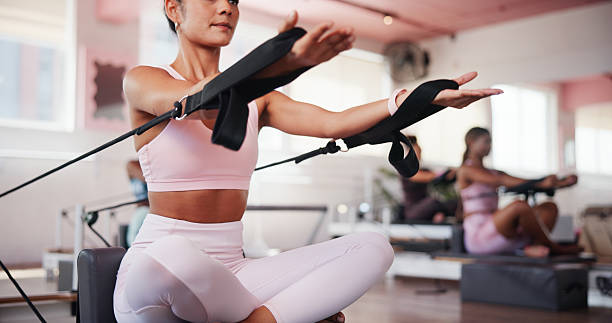
A leg starts to quiver during footwork—the core trembles during a plank. An arm shakes as it holds a strap. These reactions can feel alarming, especially during a first class. In many cases, shaking begins when working muscles struggle to maintain steady force. The nervous system must continually adjust which muscle fibers are active and how quickly they respond. Better Posture Pilates helps clients understand these reactions during Pilates Reformer classes in Chicago. Our skilled instructors can change the spring setting, movement range, pace, or body position when control begins to fade. Mild trembling during effort does not always signal a problem. However, shaking with pain, dizziness, faintness, numbness, or unusual weakness needs a different response. Understanding what causes Pilates muscle shaking can help clients move with more confidence, notice warning signs, and make better exercise choices. Why Your Muscles Shake During Pilates Exercises Many clients ask, why do you shake during Pilates? The most common reason is temporary muscle fatigue. A muscle may still complete the movement, but it may struggle to produce smooth and steady force. People also search for why muscles shake during exercise because the reaction can happen during Pilates, strength work, yoga, cycling, and other physical activities. The nervous system sends signals to groups of muscle fibers called motor units. As the exercise becomes harder, the body may activate more motor units to maintain the position. Those signals may become less steady as the working muscles tire. This can create visible trembling. Whether shaking during Pilates is normal depends on what else is happening. Mild shaking in the working muscle may be a common fatigue response. Shaking paired with sharp pain, dizziness, faintness, chest discomfort, or sudden weakness should not be ignored. What Causes Visible Muscle Shaking In Pilates Pilates often asks one body area to remain steady while another area moves. The pelvis may need to stay level while one leg reaches. The ribs may need to remain controlled while the arms pull straps. These tasks place steady demand on the stabilizer muscles in Pilates. Slow movement also makes small changes easier to notice. A fast movement may hide poor control. A slow Pilates exercise gives the body more time under tension, so trembling may become clear. Several parts of Pilates training can increase the demand: This explains why muscle shaking during workout sessions may begin before someone feels fully exhausted. The exercise may test balance, timing, endurance, and control rather than basic strength alone. We provide private and group Pilates in Chicago for clients with different experience levels, goals, and movement needs. What Muscle Fatigue During Pilates Really Means Muscle fatigue does not mean the muscle has stopped working. It means the body cannot produce or control force as well as it could at the start of the exercise. Fatigue can involve both the working muscles and the nervous system. During a demanding exercise, the body tries to maintain the required force. It may increase motor unit recruitment during exercise, alter signal timing, and activate additional muscle fibers. However, these changes do not always create smooth movement. The result may appear as muscle tremors during exercise. Neuromuscular fatigue during exercise can reduce force control, coordination, and movement quality. A client may still complete the repetition, but the body may begin using other muscles to compensate. For this reason, shaking should be treated as useful feedback. It does not automatically mean the exercise is harmful. It also does not prove the exercise is being performed correctly. Why Your Core And Legs Shake More In Pilates The legs and core frequently shake because Pilates gives them long stabilizing jobs. They may work through several repetitions without fully resting. Core Shaking During Pilates People often ask, why does my core shake during Pilates? The abdominal muscles, back muscles, diaphragm, and pelvic floor help control the trunk. They work together to keep the ribs and pelvis organized while the arms or legs move. A leg reach, for example, can pull the pelvis forward. The core must resist that pull. If the leg moves farther than the client can control, the abdominal area may start trembling. The instructor may reduce the leg range, bend the knee, shorten the hold, or support the head. These changes can help maintain proper Pilates form when shaking. During our Pilates Reformer classes in Chicago, an instructor can observe the full movement instead of focusing only on the shaking area. Leg Shaking During Pilates Clients also ask, why do legs shake during Pilates? Footwork, bridges, lunges, side-lying work, and standing Reformer exercises can keep the quadriceps, glutes, calves, and hip muscles active for long periods. A moving carriage adds another challenge. The legs must push the carriage away and control it as it returns. This is why body shaking during Reformer Pilates may become more noticeable during slow carriage movement. Normal Pilates Shaking Versus Warning Signs Shaking needs context. Mild trembling in the muscles performing the exercise may result from muscle fatigue during Pilates. It should usually lessen after rest, a smaller range, or a lighter exercise version. Symptoms involving the whole body or affecting awareness need more care. What Happens Common Fatigue Response Reason to Stop Location Working muscle or nearby support muscles Whole body or an unrelated body area Timing Begins during a demanding exercise Starts suddenly without clear effort Sensation Effort, warmth, or mild muscle burning Sharp pain, numbness, or marked weakness Recovery Settles after rest or an easier variation Continues, worsens, or returns often Other symptoms Normal breathing and awareness Dizziness, faintness, chest pain, or confusion Understanding when to stop exercising due to shaking is important. Stop the exercise when trembling becomes strong enough to affect alignment, breathing, balance, or awareness. A Pilates instructor can adjust the exercise, but an instructor cannot diagnose the medical cause of ongoing or unexplained shaking. Does Shaking During Pilates Mean It Is Working Shaking can show that an exercise feels demanding. However, it does not prove that the exercise is being performed