Losing weight can become tiring when every plan asks for more time, more effort, and less food. A hard workout may leave the joints sore. A strict routine may fall apart during a busy week. Pilates for weight loss offers another way to stay active, but it is not a fast fix. People searching for Pilates classes in Chicago may want an exercise that builds strength without jumping or high-impact movements. Better Posture Pilates offers private and small group sessions with close form checks. Our instructors adjust the pace, spring setting, and movement range when needed. Yet Pilates is only one part of weight care. Food choices, walking, sleep, stress, health, and weekly activity all affect progress. A useful plan should fit real life, because a routine only works when a person can keep doing it.
Can Pilates Really Help With Weight Loss?
The answer is yes, but the full picture matters. People often ask, does Pilates help you lose weight? Pilates uses energy and adds movement to the week. It can train the core, hips, legs, back, and shoulders. Yet weight change depends on more than class time. The body must use more energy than it takes in over time. The CDC explains that physical activity helps create this gap. It notes that food intake often drives much of weight loss.
Regular activity remains important for keeping lost weight off. Therefore, is Pilates good for weight loss depends on the person’s full routine. Pilates may support the goal, while meals, daily movement, sleep, and health shape the final result.
What Research Says About Pilates and Body Weight
Research gives a careful answer, not a promise. A 2021 review studied 11 trials involving 393 adults with overweight or obesity. The review found drops in body weight, BMI, and body fat percentage. However, it found no clear change in waist size or lean body mass. The authors rated the evidence from low to moderate. They said better studies are still needed.
This means that whether you can lose weight doing Pilates has no fixed answer. Some people may see a change, while others may not. Longer programs appeared more helpful in the review, but the studies used different plans. For this reason, Pilates for fat loss should be part of a wider routine. It should not be sold as a sure result.
Progress Can Show Up Before the Scale Changes
The scale can move for many reasons. Water, meals, salt, sleep, and hormones may change the number. So, Pilates weight-loss results should include more than just body weight.
- Clothes may fit differently.
- Walking or climbing stairs may feel easier.
- Core and hip control may improve.
- A person may finish class with less fatigue.
- Daily movement may feel steadier.
Pilates for body toning usually means stronger muscles and better control. It does not mean fat can leave one chosen spot. The body decides where fat changes occur. Meanwhile, Pilates for body composition focuses on fat and lean tissue, not just pounds. A person may feel stronger before the scale shows much change. That progress still matters.
Calories Matter, but Fixed Burn Numbers Do Not
Many people search for Pilates calories burned before choosing a class. Yet one number cannot fit every session. A slow beginner class differs from a hard equipment session. Body size, pace, rest, skill, and exercise choice all change energy use. The CDC shows that calorie use varies by activity and body weight.
A watch can give a rough estimate, but it cannot judge form or muscle effort. For this reason, a Pilates workout for weight loss should not chase the highest number on a screen. Better form may help a person train more often. Poor form may cause pain and missed classes. A steady routine can add more useful activity across many weeks than one very hard workout.
Reformer and Mat Work Support Different Needs
Both formats can support a weight goal, but they feel different.
Reformer Pilates Moves That Boost Calorie Burn
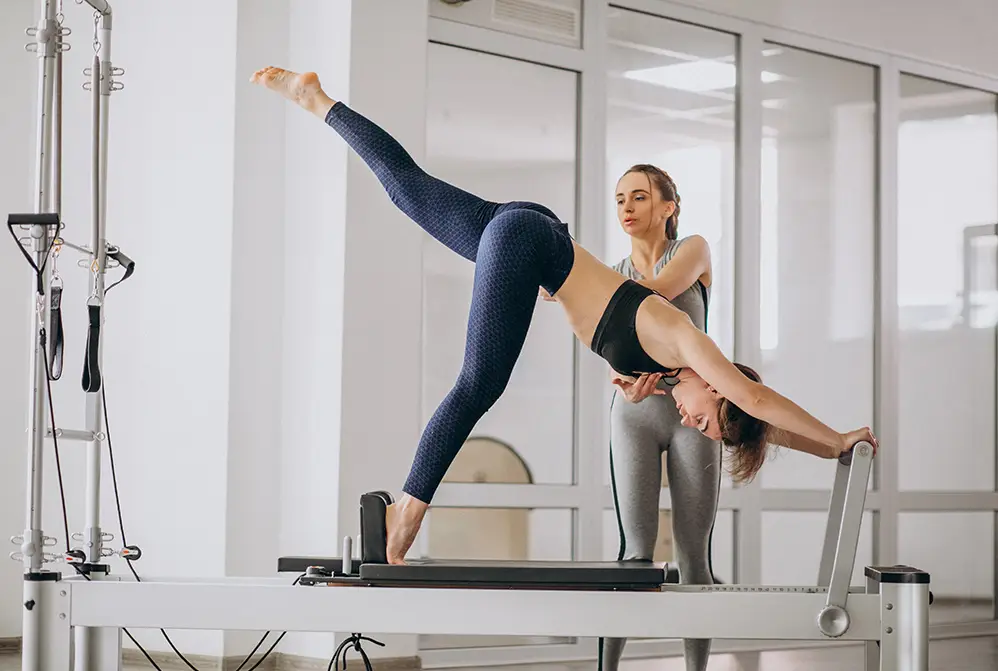
Reformer Pilates for weight loss uses a moving carriage, straps, a footbar, and springs. The springs may add resistance or give support. This allows the instructor to change the workout without changing the whole exercise.
Mat Pilates Exercises To Support Weight Loss
Mat Pilates for weight loss uses body weight and gravity. Some moves feel harder because there is less equipment support. Mat work can be useful at home after the safe form is learned. Neither format promises better weight loss. The best choice is the one a person can attend, enjoy, and repeat. Better Posture Pilates offers Pilates Reformer classes in Chicago with personal corrections in classes and private sessions.
Build a Week That Has Room for Pilates
A good week does not need hard exercise every day. The CDC recommends at least 150 minutes of moderate activity each week. Adults also need muscle-strengthening activity on two days. Some people may need more movement for weight care.
| Day | Sample activity | Main purpose |
| Monday | Pilates session | Strength and control |
| Tuesday | Brisk walk | Aerobic movement |
| Wednesday | Rest or light walk | Recovery |
| Thursday | Pilates session | Practice and strength |
| Friday | Brisk walk or cycling | Aerobic movement |
| Weekend | Rest, walk, or another class | Flexible activity |
For someone asking how often to do Pilates for weight loss, two or three sessions per week may work. The Pilates for beginners guide can help new clients choose a starting pace.
Use Cardio, Strength, and Rest With Care
Pilates does not need to carry the whole plan. Pilates and cardio for weight loss may work well because each fills a different role. Walking, cycling, or swimming can add aerobic activity. Pilates can train control and muscle endurance. Pilates and strength training may fit in the same week when the body has time to recover.
- Keep at least one easier day when soreness is high.
- Add walking in short blocks when time is limited.
- Increase class load only when the form stays steady.
- Stop when pain feels sharp, new, or unusual.
More exercise is not always better. A tired person may move less during the rest of the day. A plan should leave enough energy for work, sleep, and normal life.
Food, Sleep, and Stress Shape the Outcome
Exercise supports weight management, but diet plays a major role. The CDC notes that reducing calories often drives much of weight loss. It says regular activity helps with weight control and keeping weight off. This does not mean eating as little as possible. Very low intake can make workouts harder and leave a person tired.
Sleep matters as well. A poor night can lower energy and make planned movement less likely. Stress may affect eating or break a weekly routine. Pilates instructors can guide movement and class choice. They do not replace a doctor or registered dietitian. People with diabetes, eating concerns, or other health needs should seek personal advice from a qualified provider.
Why Instructor Experience Matters
A machine cannot see when the shoulders lift or the hips shift. An instructor can. Better Posture Pilates has served Chicago for more than 20 years and gives personal corrections in classes and private sessions. Owner Marilyn D’Andrea has taught Pilates since 2004. She holds a master’s degree in Exercise Science and knows anatomy and biomechanics. That background helps the studio choose a safe pace and explain what the body is doing.
Before class, a client should share:
- Current pain or past injuries
- Exercise experience and comfort level
- Weight goals and weekly schedule
- Health advice that affects movement
Our role is to guide exercise. We do not promise an exact number of pounds or inches.
Chicago Class Prices and Intro Offers
A private intro session costs $60. Two private sessions cost $120. Four classes with one private session cost $140. An intro Reformer class costs $15. People looking for Pilates for weight loss in Chicago may want to try a class before choosing a long-term plan. Better Posture Pilates offers several entry options.
A private session provides more time for questions, form checks, and goal-setting. The intro Reformer class lets a new client try the equipment at a lower cost. Prices and offers may change, so clients should confirm current rates before booking. Cost matters, but class fit matters too. A useful choice should match the person’s schedule, comfort, health, and budget.
Build a Plan That Fits Real Life
Pilates for weight loss can support strength, regular movement, and better body control. Yet lasting change usually comes from several habits working together. Food choices, aerobic activity, sleep, stress care, and recovery all matter. Research suggests possible changes in weight and body fat, but the evidence remains limited.
Better Posture Pilates helps clients choose between private and small-group sessions based on their goals and experience. Our instructors focus on clear form, safe effort, and progress that can be measured in more than pounds. Call us at 773-386-8831 to ask about current classes or intro offers. We are located at 1357 W. Grand Avenue, Chicago, IL 60642.
FAQs
Does Pilates help with weight loss?
Pilates can support weight loss by adding regular movement and muscle work. However, it cannot promise a set result. Food intake, walking, sleep, stress, health, and total weekly activity matter. Pilates may work best as one part of a plan that feels safe and easy to repeat.
Is Reformer or mat Pilates better for weight loss?
Neither format works best for everyone. Reformer Pilates uses springs and a moving carriage. Mat Pilates uses body weight and gravity. Pace, effort, rest time, and class length shape the workout. The better choice is a format that allows a person to practice safely and attend often.
How many Pilates sessions should someone do each week?
Two or three weekly sessions may suit some adults. However, the right number depends on recovery, health, class level, and other activities. A balanced week may include Pilates, walking, cardio, and rest. More classes will not help when the body stays sore or tired.
Can Pilates reduce belly fat?
Pilates cannot remove fat from one chosen area. It can train the muscles under the belly and improve body control. Fat loss occurs throughout the body, influenced by genetics, diet, activity, health, and time. Claims about fast belly-fat loss should be treated with care.
What is a realistic way to track Pilates progress?Track class attendance, walking time, strength, energy, clothing fit, and movement control. These signs may change before body weight does. Use the scale as one measure, not the only measure. A useful plan should improve daily life while supporting safe, regular activity.