Two Pilates classes can use similar equipment yet feel very different. One teacher may follow a set order with familiar transitions. Another may change the order, range, or position for each client. This can confuse people who expect one standard Pilates method. The debate around classical vs contemporary Pilates helps explain these differences. Better Posture Pilates guides clients through Pilates Reformer classes in Chicago with personal corrections and clear exercise choices.
Both approaches come from the work of Joseph and Clara Pilates. However, each method protects that foundation differently. Classical teaching stays close to the original repertoire and order. Contemporary teaching uses the same base while adding current movement knowledge and more exercise options. Neither method suits every person. Instructor skill, class level, health history, and personal goals often matter more than the label.
Key Differences Between Classical And Contemporary Pilates
The difference between classical and contemporary Pilates mainly involves exercise order, teaching choices, alignment, and modifications. Classical Pilates aims to preserve the original system as a connected body of work. A class often follows a recognized order and uses established transitions. Contemporary Pilates keeps core ideas such as breath, control, concentration, and flow. However, it may change the order or add variations based on the client.
The traditional Pilates method treats the mat and apparatus as related parts of one system. In contrast, the modern Pilates method may combine that system with updated exercise science or rehabilitation ideas. People comparing Pilates classes in Chicago should ask how a teacher uses the method, not only which label appears on the schedule. A well-taught class should explain the purpose of each movement and adjust the level without losing control.
How Classical Pilates Started And Why It Matters
Joseph Pilates called his exercise system the Contrology method. He and Clara Pilates taught mat and apparatus work as one connected practice. His 1945 book presented 34 mat exercises and linked physical training with breath, focus, and control. The term Joseph Pilates’ original method now refers to work passed through teachers who studied with the Pilates family or early students.
Common features include:
- Teachers follow a planned Pilates exercise sequence with clear progressions.
- Familiar transitions keep the session moving with purpose.
- Sessions may use the Reformer, Cadillac, Wunda Chair, and barrels.
- The work values rhythm, control, and full-body coordination.
Many classical schools value consistency because the order helps teachers see progress. However, classical instruction does not require careless repetition. A skilled teacher still considers experience, health limits, and safe exercise range while protecting the method’s structure.
How Contemporary Pilates Evolved From The Original Method
Later teachers brought new knowledge into contemporary Pilates education. Many programs kept the original exercises while using ideas from anatomy, physical therapy, and modern biomechanics in Pilates. This approach often gives teachers more freedom to change order, range, or equipment based on the person.
Common features include:
- Teachers use Pilates exercise modifications for pregnancy, injury history, or limited mobility.
- Props may include bands, balls, rollers, or small weights.
- Flexible programming can replace one fixed class order.
- Teachers may use neutral spine in Pilates when that position fits the task.
These changes do not make contemporary work less demanding. A changed exercise can still require control and strength. Likewise, variation should have a clear reason. Good teaching keeps the main Pilates principles and techniques while choosing movements that fit the client’s current ability.
Classical Vs Contemporary Pilates Compared Side By Side
The main differences in the Pilates method become easier to understand through direct comparison. Both styles use mat work, springs, straps, and apparatus. However, teaching plans can differ. This table shows how classical vs contemporary Pilates may shape a class.
| Area | Classical approach | Contemporary approach |
| Exercise order | Often follows a known sequence | May change based on goals |
| Repertoire | Stays close to original exercises | Adds variations and newer exercises |
| Alignment | Uses traditional positions and cues | May use several alignment options |
| Equipment | Favors traditional apparatus setup | May use updated equipment and props |
| Modifications | Adjusts while protecting the system | Builds changes into the program |
| Class design | Often uses level-based progressions | Often uses client-based programming |
Clients should ask what the class includes and how the instructor handles individual needs. As a trusted Pilates studio in West Loop, we use one approach or a thoughtful mix.
How Pilates Sequence And Equipment Shape Your Class
Sequence and apparatus affect pace, transitions, and the muscles used. Better Posture Pilates provides personal corrections so clients can understand these choices.
Classical Format
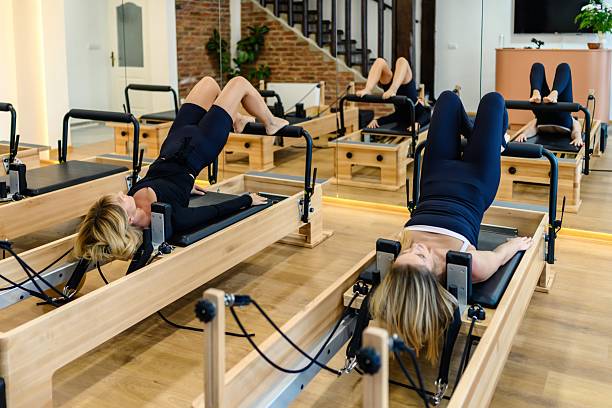
A classical Pilates Reformer session often follows a known order. Traditional springs, straps, boxes, and transitions support that flow. Classical Pilates exercises build on earlier work so that experienced clients may recognize patterns across sessions.
Contemporary Format
A contemporary Pilates Reformer session may change springs, props, positions, or order for a specific goal. Teachers may select contemporary Pilates exercises around balance, hip control, shoulder movement, or trunk support.
Differences in Pilates apparatus usually involve setup and teaching choices, not a completely different machine. Better Posture Pilates offers Pilates Reformer classes in Chicago for varied experience levels. In either format, safe equipment use depends on clear guidance and steady control.
How Pilates Alignment And Modifications Match Client Needs
Classical and contemporary schools may use different cues for the pelvis, spine, ribs, and breath. Some traditional exercises use a strong spinal curve. Contemporary systems may keep natural spinal curves during more tasks. However, neither approach uses one position for every exercise.
Pilates Options For Beginners And Returning Clients
The question of classical or contemporary Pilates for beginners has no universal answer. A beginner may like repeated structure. Another may prefer more options. Private Pilates sessionscan help new clients learn equipment, breathing, and basic control.
Pilates Choices For Experienced Clients
An experienced client may enjoy the pace of classical work. Someone with a changing goal may value a flexible plan. People often ask which type of Pilates is best, yet instructor skill matters more than one alignment rule. A teacher should explain the goal, watch the response, and change the task when needed.
How To Judge A Pilates Class Beyond Its Marketing Label
A label cannot show how well an instructor watches movement. Better Posture Pilates has served Chicago for more than 20 years. Owner Marilyn D’Andrea has taught Pilates since 2004 and holds a master’s degree in Exercise Science. Her background includes anatomy and biomechanics.
Before choosing a class, ask:
- Does the instructor explain the method and class level?
- Are personal corrections offered during group work?
- Can the teacher change resistance, range, or position?
- Does the class use safe progressions for new clients?
- Can the instructor explain why an exercise was selected?
These questions matter because both methods can be taught well or poorly. Strong instruction connects history, movement knowledge, client feedback, and clear limits. The method should serve the person without losing Pilates’ core purpose.
Choose The Pilates Method That Supports Better Movement
The debate around classical vs. contemporary Pilates doesn’t need one winner. Classical work protects the original repertoire, sequence, apparatus, and teaching flow. Contemporary work keeps that foundation while allowing broader programming choices. Both support strength, control, mobility, balance, and body awareness when the class matches the client.
We provide group and private instruction at 1357 W. Grand Avenue. Those comparing a Pilates studio in West Loop should consider instructor training, class size, communication, and exercise options. A conversation before booking can make the method easier to understand and follow. Call Better Posture Pilates at (773) 386-8831 or visit us at 1357 W. Grand Avenue, Chicago, IL 60642, to discuss goals and choose a suitable Pilates class today with personal guidance.
FAQs
What is the main difference between classical and contemporary Pilates?
Classical Pilates stays close to Joseph Pilates’ original repertoire, order, apparatus, and transitions. Contemporary Pilates keeps the core method but may change sequencing, alignment, range, or equipment. The better choice depends on the instructor, class level, health history, learning style, and current personal movement goals.
Does classical Pilates always follow the same exercise sequence?
Classical programs often follow a recognized order because exercises prepare the body for later work. However, teachers may shorten or adjust the sequence for level, health limits, or time. A responsible instructor protects the method’s structure while avoiding movements that do not fit the client’s needs.
Why does contemporary Pilates use more modifications and props?
Contemporary teaching often includes current anatomy, biomechanics, and rehabilitation ideas. Props can provide feedback, support, resistance, or a smaller movement range. Modifications should have a clear purpose. They may help a client learn control, work around a limit, or progress toward a harder exercise safely.
Is classical or contemporary Pilates for beginners a better choice?
Either method can suit a beginner when the class moves at a suitable pace. Classical work offers a repeatable structure. Contemporary work may provide more exercise options. New clients should choose a teacher who explains equipment, watches form, welcomes questions, and changes movements when control begins to fade.
Do classical and contemporary Pilates use different Reformers?
Both approaches can use a Reformer with a carriage, springs, straps, and a footbar. Classical studios may favor traditional dimensions and settings. Contemporary studios may use updated designs or extra props. The machine matters less than safe setup, clear instruction, and exercise choices that fit the client.
How can clients identify the method used in Pilates classes in Chicago?
Clients can ask about teacher training, exercise order, equipment, props, spinal alignment, and modification choices. A classical class may follow a known sequence. A contemporary class may adjust the plan based on client needs. Clear studios should explain the teaching approach before a client books or joins.
Can private Pilates sessions in Chicago combine both teaching methods?
Yes. A trained instructor may use classical exercises with contemporary changes when the reasons are clear. The session might preserve the original movement goal while changing springs, range, or position. Clients should ask how each choice supports their needs, comfort, control, and long-term progress.