A stiff back, tight hips, weak core support, or daily stress can make choosing an exercise confusing. Some people want more strength. Others want calmer breathing or better flexibility. Pilates vs yoga is not a contest with one winner. Each practice uses controlled movement, breathing, and body awareness. However, the training style and main focus can feel different. Better Posture Pilates helps Chicago clients compare both options without guessing. We offer private and group instruction, so each person can start at a pace that suits them. Our instructors watch movement, explain form, and adjust exercises when needed. Someone may search for the best private yoga classes in Chicago, IL, to make the choice easier and safer.
Pilates vs Yoga: Choose Based On Your Main Goal
A good way to compare Pilates and yoga is to look at how each session is structured. The main difference between yoga and Pilates is their purpose. Yoga is a mind and body practice, says the National Center for Complementary and Integrative Health. Often, it involves breathing exercises, physical poses, meditation, or simply relaxing. People considering whether Pilates is a better option than yoga should think about what they want to achieve. If someone wants to be stronger and improve their posture, Pilates could be a good option. If you want to be more flexible, learn to balance, improve your breathing, and slow down, then you may be ready for yoga. Both can help with your overall fitness.
What A Pilates Class Feels Like For Your Body
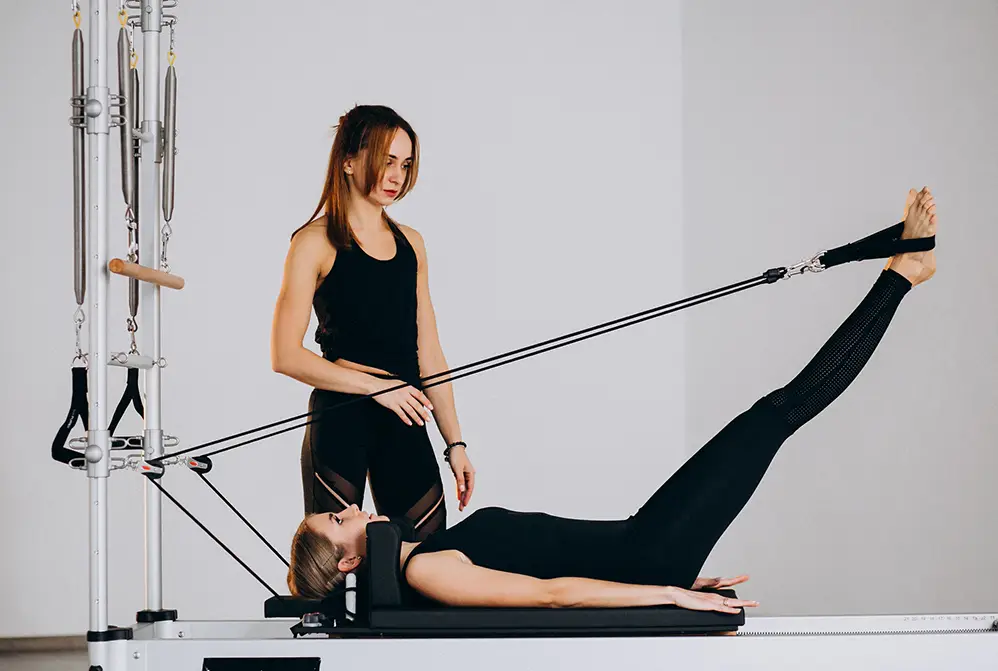
Pilates asks the body to stay steady while the arms or legs move. The spine, pelvis, ribs, hips, and shoulders work as a unit. A mat session may use body weight and small props. A Reformer session uses springs, straps, and a moving carriage.
Common Pilates goals include:
- Better trunk control during daily movement
- Stronger support around the spine and pelvis
- Greater awareness of posture and alignment
Resistance and repeated control play a large role in many sessions. Core strength training is a key part of the method. We provide personal corrections during private sessions and group classes.
What A Yoga Class Feels Like For Mind And Body
Yoga can range from slow and restful to active and demanding. Most classes use poses, breathing, and focused attention. Some classes hold a pose for several breaths. Others move through a steady sequence.
People may choose yoga for:
- More time spent on breathing and body awareness
- A mix of standing, seated, and floor-based poses
- Support for balance, flexibility, and stress management
Searches for Pilates vs yoga for flexibility often have no simple answer. Both may help, but yoga can spend more class time on stretching. The stretches may involve held poses or slow movement.
NCCIH reports that yoga may support stress management, sleep, balance, and mental well-being. However, research findings differ across studies and yoga styles. Yoga for Beginners should move at a pace that allows clear form and comfortable breathing.
Pilates And Yoga Compared Side By Side Benefits
The table below shows common differences between the two methods. However, every class can vary depending on the teacher, level, and client needs.
| Area | Pilates | Yoga |
| Main focus | Core support, strength, posture, and movement control | Poses, breathing, flexibility, balance, and relaxation |
| Common format | Mat work or equipment-based training | Mat-based poses with flowing or held sequences |
| Equipment | Mat, props, Reformer, Cadillac, springs, and straps | Mat, blocks, straps, blankets, and bolsters |
| Usual pace | Controlled repetitions with close form checks | Slow holds, steady flows, or restful poses |
| Good fit for | Strength, alignment, and movement control | Flexibility, breathing, balance, and stress support |
| Beginner options | Private instruction or small classes | Private instruction or beginner-level classes |
The benefits of Pilates and yoga overlap in many areas. Both methods can train balance, breathing, control, and body awareness. Yet the class experience can feel quite different. Pilates often involves repeated movements with clear start and stop points. Yoga may involve spending more time holding a pose or flowing between poses.
Pilates Or Yoga For Better Posture And Core Support
People comparing Pilates vs yoga for posture often want help with rounded shoulders or tired back muscles. Pilates may place greater emphasis on rib position, pelvic control, and deep trunk support. Yoga can help people notice how they stand, breathe, and carry tension. Both methods may help someone become aware of repeated habits.
A useful weekly plan may include:
- Pilates for controlled strength around the spine and hips
- Yoga for mobility, balance, and breathing practice
- Instructor feedback for positions that feel unclear or painful
The benefits of Pilates include stronger movement control and greater awareness of how body areas work together. We offer private and group Pilates and yoga in Chicago, and we use closed-form checks during instruction. Small changes in the shoulders, ribs, or pelvis may affect the whole movement.
Is Pilates Or Yoga Easier For True Beginners
The answer depends on the class, not only the method. Pilates vs yoga for beginners can feel very different in a crowded room. A new client may struggle when moves change too fast, or instructions are unclear. Private teaching gives the instructor time to explain breathing, joint position, and safe movement range. Mat Pilates may look simple, yet body-weight work can be hard. Reformer equipment can offer support, but the moving parts need clear instructions.
Yoga may feel calm, though some poses require balance or flexibility. A beginner does not need to be flexible before starting either practice. Better Posture Pilates has served Chicago for more than 20 years. Owner Marilyn D’Andrea began helping Pilates clients in 2004. She holds a master’s degree in Exercise Science and is well-versed in anatomy and biomechanics.
Is Pilates Or Yoga Better For Building Strength
Pilates often suits people who want steady muscle work without jumping or heavy lifting. Many movements ask the body to hold one area still while another area moves. This can build control around the spine, hips, and shoulders. Yoga can build strength as well. Standing poses may challenge the legs. Plank-based poses may work the arms, shoulders, and core. However, the amount of strength work depends on the yoga style.
A slow restorative class will feel different from an active flow class. In the same way, a gentle Pilates class differs from an athletic Reformer session. People choosing between the two should ask about class level and pace. The class name alone may not explain how hard the session feels.
Pilates Or Yoga For Flexibility And Stress Relief
Yoga may be the clearer choice for someone who wants longer stretches and quiet breathing. Many styles give people time to settle into a pose. That slower pace may help some people release tension and focus. Pilates improves flexibility in another way. It asks muscles to work while the body moves through a controlled range. This can build strength within that range.
Stress support depends on what helps the person feel present. Some people prefer the repeated structure of Pilates. Others feel calmer during yoga poses and breathing work. We offer Pilates Reformer classes in Chicago with corrections customized to each client’s movement.
Pilates vs Yoga With Back Pain Injuries Or Pregnancy
Anyone comparing Pilates vs. yoga for back pain should avoid making broad claims. Back pain has many possible causes. A class that helps one person may not fit another. Research suggests Pilates may help some people with chronic low back pain. Yoga may offer small improvements in pain or movement for certain groups. However, results vary. Neither method replaces diagnosis or medical care.
People with sharp pain, a recent injury, surgery, or pregnancy should speak with a health professional. They should share any limits with the instructor before class. We have instructors with experience in nursing, yoga, pelvic floor work, and pregnancy or postpartum training. Private sessions allow for adjustments in movement range, equipment, and pace.
How Pilates And Yoga Can Work Together For You
Many people ask, can you do Pilates and yoga together? Yes, when the schedule and class level fit the person. Pilates may build strength and movement control. Yoga may add breathing, flexibility, balance, and time to slow down. Therefore, the methods can meet different needs during the same week.
Reformer Pilates vs yoga does not need to be an either-or choice. A person may take a Reformer class at one point in the week. A yoga class may fit well on another day. The better mix depends on recovery, goals, health, and available time. Someone who feels very sore may need rest instead of another class. A qualified instructor can help the person choose a practical schedule without overdoing it.
Pilates vs Yoga For Weight Loss And Toning
The question of Pilates vs yoga for weight loss needs a realistic answer. Either practice can form part of an active lifestyle. However, neither method guarantees a set amount of weight loss. Body weight can be affected by food habits, total activity, sleep, health, stress, and consistency. Class pace matters as well. A gentle yoga session may use less energy than an active flow. A beginner Pilates class may differ from an athletic Reformer workout.
People should avoid choosing a class solely based on estimated calorie intake. A workout that feels safe and enjoyable may be easier to continue. Consistent movement can support health even when the scale changes slowly. Anyone with health or nutrition concerns should seek advice from a qualified healthcare professional.
Finding The Right Pilates Or Yoga Class In Chicago
A good class should match the client’s goal and current ability. Someone seeking private yoga classes in Chicago, IL, may value slower-paced instruction, alignment support, and breathing instruction. Better Posture Pilates serves West Town, West Loop, Gold Coast, and nearby Chicago communities. The studio operates from one location on Grand Avenue.
Clients can choose between personal sessions and small-group classes. Private instruction may suit a beginner or someone returning after an injury. Group classes may suit people who enjoy learning with others. Class choice should depend on goals, comfort, and the level of support needed.
Choose The Practice That Fits Your Daily Life
The Pilates vs yoga choice should fit the person’s needs, safety, and weekly routine. Pilates may be a good fit for focused strength, core support, posture, and controlled movement. Yoga may suit someone seeking poses, breathing, balance, flexibility, and more time in stillness. Trying both can help when the goals overlap.
We help clients choose a class based on movement needs, comfort, and experience. Our team provides private sessions and small-group instruction for all fitness levels. To discuss Pilates or yoga options, call us at (773) 386-8831. Better Posture Pilates is located at 1357 W. Grand Avenue, Chicago, IL 60642. A private session can help a new client learn the basics before joining a group class.
Pilates vs Yoga Frequently Asked Questions Answered
What is the main difference between Pilates and yoga?
Pilates often uses repeated, controlled movements to build core support, strength, and posture. Yoga commonly uses poses, breathing, balance, and periods of stillness. Both support body awareness. The right option depends on personal goals, health needs, preferred pace, class style, and the amount of guidance needed.
Is Pilates or yoga better for someone who is not flexible?
A person does not need to be flexible before starting either practice. Pilates can build control through a comfortable range. Yoga can improve mobility through poses and steady breathing. A beginner class or private session can help the instructor adjust movements and avoid overextending the body.
Should someone choose Pilates or yoga for core strength and posture?
Pilates may offer more direct work for trunk support, pelvic control, and repeated strength. Yoga can support posture through balance, breathing, and body awareness. Some people benefit from combining both. The best plan depends on current strength, health history, personal goals, and support during each class.
Where can beginners take private Pilates and yoga classes in Chicago?
Better Posture Pilates offers private and group Pilates and yoga instruction at 1357 W. Grand Avenue in Chicago. Beginners can start with personal teaching before moving into a group class. To discuss class options, goals, or current offers, clients can call the studio at 773-386-8831.
Are private yoga classes in West Town suitable for tight hips and poor posture?
Private yoga may help an instructor adjust poses, breathing, and movement range for tight hips or postural habits. However, pain and movement limits differ between clients. Better Posture Pilates serves West Town from its Grand Avenue studio. People with ongoing pain should seek medical advice before starting.